Hawkins Holistic

Naturally Yours

Category: Diet

Honour thy Mind, honour thy Food.

6a019b0058f27d970d01a73e0d1c5d970d-800wi (1)

Stress. You know it when you feel it. But are you aware of the more insidious ways this emotion can effect your health and lifestyle?

I recently wrote a paper that explores how stress influences food choices, digestion and nutrient absorption. Because the paper is quite long, I won’t post it here. That said, I will share an excerpt from the paper that outlines a very practical guide on how to eat mindfully!

When we eat out of anything other than true hunger, we are likely using food for comfort and distraction. Do you identify yourself as an “emotional eater”? The good news is that the practice of mindful eating can replace that of stress eating.

Here are some mindful eating techniques that can turn good intentions into reality

  • Connect with your thoughts & feelings. When your attention is turned to food, ask yourself, “Is real hunger present right now?” The key to eating mindfully involves noting when real hunger is present and when it is not. If real hunger is present then yes it shall be tended to in a nurturing manner. If physiological hunger is not present, it’s a good opportunity to curiously explore what you’re feeling or avoiding. What is it that food is trying to replace?
  • Meditate or take slow deep breaths before mealtime. This will help shift your body into the rest and digest phase (i.e. parasympathetic eating*).
  • Create a peaceful setting in which to dine. Move away from electronics such as TV, laptops and cell phones and towards a dining area that is quiet and calm and void of clutter. A peaceful, non-distracting atmosphere allows you to focus on the meal.
  • Allow ample time for eating. Eating slowly gives your brain and body time to register that you are full. Also, eating at a slow, mindful pace allows you to engage with the food, savoring all of the tastes, smells, sounds, textures, and colors.
  • Take a post meal breather. When the meal is complete, allow the rest and digest phase to do its job. Sit and relax for a few minutes, acknowledging the feelings of satiety and gratitude. You might even go on a light walk out in nature post meal to encourage digestion. Food is meant to energize not immobilize.

Furthermore, chronically stressed individuals may be lacking in certain nutrients and enzymes. If that’s the case, supplementation of specifics vitamins, minerals, herbs, omega-3 fatty acids and amino acids could be of great benefit.

Here are some supplements that can support and re-calibrate the stressed mind & body

  • Vitamin B Complex: look for ones formulated for stress reduction, such as Thorne’s Stress B Complex.
  • Adaptogens: such as rhodiola, ashwaghanda and holy basil.
  • Chromium: this mineral decreases sugar cravings and regulates blood sugar.
  • Magnesium: acts as a nerve tonic and can relieve stress induced constipation. Look for magnesium glycinate.
  • Probiotics: restore the gut flora that contributes to a healthy state of mind. Look for Bifidobacterium longum and Lactobacillus rhamnosus strains.
  • GABA: an amino acid that curbs stress and anxiety. Try AOR’s Gaba.
  • Fish oil: look for one that is high in EPA, such as this fish oil by Cyto Matrix .
  • Good nutrition! It goes without saying that a diet based on whole, natural foods is of the utmost importance when it comes to achieving health of body, mind and soul. If you need assistance with this, please contact me.

It is possible to rewire the brain and create new healthy habits via the process of thinking and living mindfully. Chronic stress can be alleviated as we feed our minds and bodies that which it is truly seeking.

Naturally yours. ❤

Sarah Hawkins, R.H.N.

* Parasympathetic eating involves eating when the relaxed parasympathetic nervous system is active as opposed to the sympathetic nervous system (that which is associated with the high alert fight-or-flight stress response). 



Facts about Fermented Foods

Can you get your daily serving of probiotics from this sandwhich?

You could get your daily serving of probiotics from this sandwich!

Does the term “fermented foods” leave you scratching your head?

Thanks to the growing popularity of the macrobiotic diet and seeing kombucha drinks lining grocery store shelves, you might have heard of fermented foods. I’m glad these foods are getting attention, but I believe there is a lot of unmet curiosity from the consumer side. People know fermented foods are good for them, but do they know why? I didn’t, and as a holistic nutritionist, I had a burning desire to understand.

What does it mean to be “fermented”? 

The cultivation of a fermented food/beverage is really more of an art than a science. A fermented food/beverage is one that has undergone fermentation, a careful & lengthy process in which food is exposed to bacteria (such as lactic acid) and yeasts, either via inoculation or naturally through the air. Beneficial microorganisms beat out the damaging ones, and eat up the carbohydrates in the food. The results are interesting flavors, textures, smells, and of course, that nutritional punch!

How can consuming fermented foods help me?

They are PACKED with probiotics – that good bacteria that lives in your gut. Yes, you can take probiotics as a supplement, and there are many wonderful ones on the market, but if I can get a hefty dose of naturally occurring beneficial bacteria from food, I’m all for it.

Fermented foods, while good for everyone, are of particular benefit to those who:

  • have a low immune system: frequent colds/flu, chronic fatigue, slow healing wounds, yeast/candida, recurrent illness
  • have taken antibiotics, long-term or short-term
  • experience depression, mood disorders, and/or difficulty regulating emotions
  • suffer from digestive distress such as indigestion, constipation, diarrhea, IBS
  • are undergoing a detox: fermented foods are excellent chelators, meaning their bacteria binds to free-floating toxins and heavy metals, excreting them through the proper channels of elimination (rather than circulating throughout the body)
  • have difficulty swallowing pills (making probiotic supplementation a non-starter)

What are the best sources of fermented food/beverage?

The top nutrition-wise sources are:

  • tempeh
  • kimchi
  • kombucha beverage (be mindful of the sugar content)
  • sauerkraut
  • miso
  • kefir
  • apple cider vinegar (with the mother)

At less than 2 grams of sugar per serving, GT’s Synergy Trilogy kombucha beverage is a top pick.

If you prefer to take your probiotics in supplement form but still want the benefits of fermentation, try Dr. Ohhira’s award-winning probiotic supplement. This potent probiotic is made from 92 fruits, vegetables, mushrooms & seaweed that are fermented over a 3 year process. Bonus: it’s shelf-stable (no need for refrigeration!). Learn more about Dr. Ohhira’s probiotic here.

These are the base facts about fermented foods. My interest in the subject is on-going, and I’ve made the decision to include fermented foods in my day-to-day diet.

For more info about the macrobiotic diet, go to the Kushi Institute website http://www.kushiinstitute.org.

Naturally yours!

Sarah Hawkins, R.H.N.

Minty Green Goodness

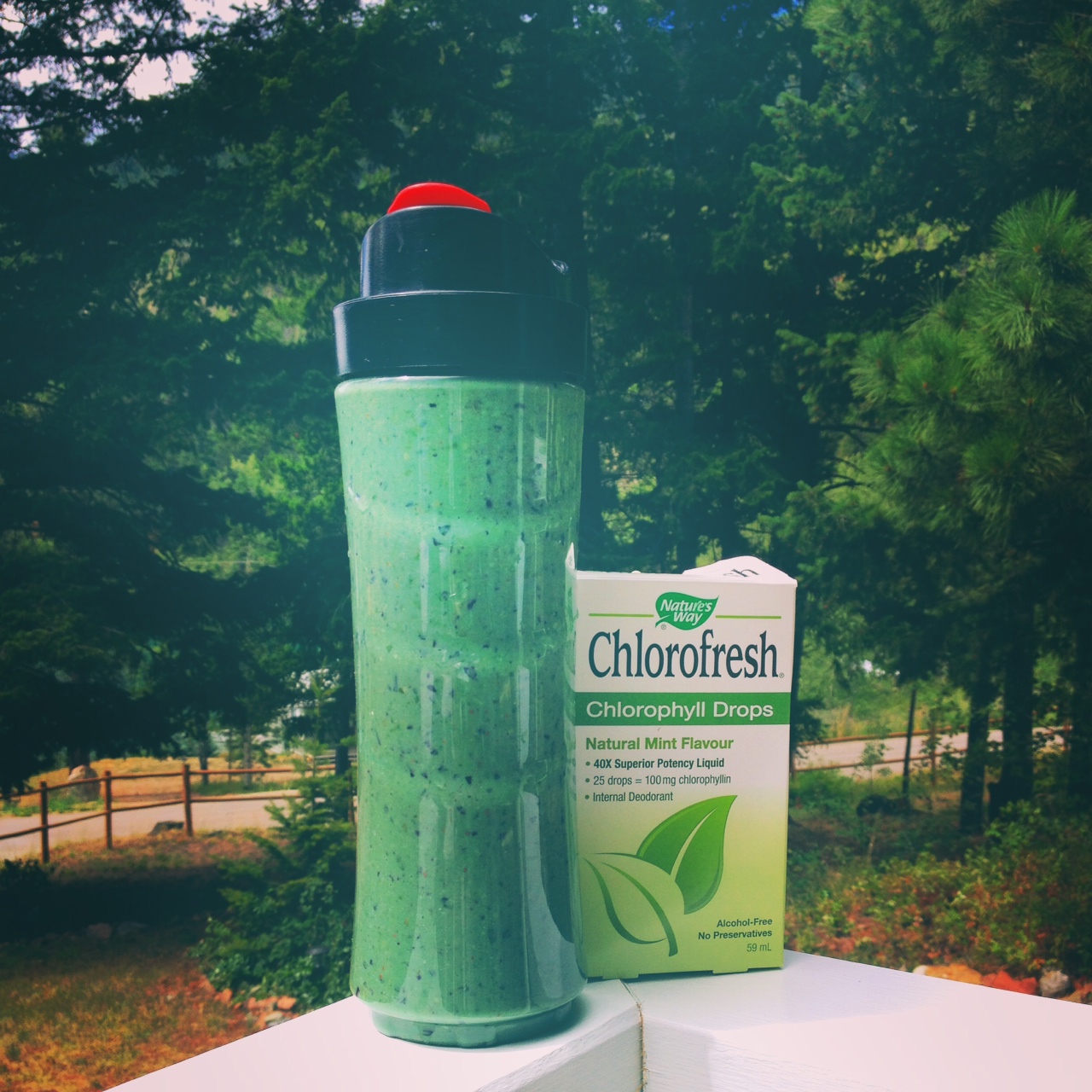
Nature's Way Chlorofresh chlorophyll drops in natural mint flavour.

Nature’s Way Chlorofresh chlorophyll drops in natural mint flavour.

Well… I just turned my regular smoothie into a minty creamy green & dreamy concoction. How? By adding liquid chlorophyll!

It all started when a lovely young woman came in to the natural pharmacy (where I work) last week in desperation to naturally cure her adult acne; a common frustration shared by an increasing number of women. We recommended what I call a “liver rehabilitation” and “skin clarity” plan. The intent was to balance hormones (especially estrogen) and get her blood flowing bright & clean while promoting healthy clear skin.

Why start with the liver? It is the major detoxifying organ of the body. A skin problem that just won’t budge can be indicative of an under-functioning liver. After a good 10 minutes of q&a with the customer, we recommended a diet light on meat and free of processed foods/dairy/wheat, milk thistle tincture, Vitamin C, an estrogen balancing supplement, zinc citrate and chlorophyll. Chlorophyll in a detox plan was new to me, but its inclusion makes so much sense!

Chlorophyll, the chemical compound that gives plants their green colour, has the ability to bind and remove toxic heavy metals from your body. Sometimes during a cleanse, the skin will initially get worse (aiie!) because of the release of long stored toxins that have nowhere to go but into the blood and out through the pores! Enter chlorophyll. It’ll work to catch those suckers before reaching your skin. Alas, for someone on a clear skin program it makes perfect sense to add liquid chlorophyll!

Chlorophyll also:

  • acts as an internal deodorant and freshens breath
  • absorbs sunlight and uses it to make energy in plants, known as photosynthesis
  • increases quality and quantity of red blood cells
  • contains an abundance of magnesium (a mineral that supports heart health, nervous system function, migraine and constipation relief and more)

Chlorophyll is a great addition to your health regime, whether on a cleanse or not. I recommend Nature’s Way Chlorofresh chlorophyll drops in natural mint flavour. So delicious added to a vanilla or chocolate protein smoothie!

Keep it green!

Naturally  yours.

Sarah Hawkins, R.H.N.

Aloe Vera Juice: to drink or not to drink?

Picture 8

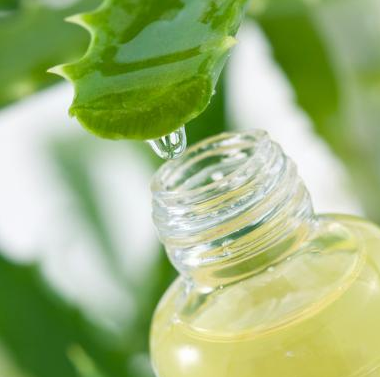
As a holistic nutritionist, I spend a lot of time in health food and supplement stores (*heaven*). I’ve seen aloe vera juice in the aisles and always wondered about it. If it’s so good for healing & nourishment when applied topically, can it heal our insides in the same way? Is aloe vera juice the internal healing supplement that some claim it is? After conducting some research on the topic, I found that the answer is not so cut & dried.

Here are some common questions about aloe vera juice:

  • Does it taste good?
    • The undiluted, pure juice is bitter. Think of it like taking a shot of hard alcohol. Without the buzz.
  • Is it safe to drink?
    • If you were hoping for a clear answer, unfortunately I cannot provide one. In fact, the issue is quite controversial and the research is ongoing. The FDA has not deemed this product safe for human consumption. Most alarming is that one part of the leaf contains the carcinogen aloin, and when non-decolorized whole-leaf extract of aloe vera juice was given to rats, it caused tumors to develop in the large intestine. Yes this is unsettling (poor rats!!) but this effect has not been seen in humans. And there is a way to avoid alion: buy decolorized juice made from the inner leaf; it is void of alion. Also, if you are taking other medications, it’s a good idea to check with your doctor about possible drug interactions.
  • What’s the consistency?
    • It’s like that of any juice, and not at all the same consistency as the aloe vera gel we apply topically. Totally different product.
  • How important is it that I drink organic aloe vera juice?
    • Always choose organically produced and manufactured aloe vera juice. The safety of the product is already in question so if you choose to consume it, best go with the pure, uncontaminated product that hasn’t been sprayed with chemicals or grown in a GMO environment.
  • Are there are known side-effects?
    • Aloe vera juice may be laxative in nature, causing diarrhea.
  • What are the health benefits?
    • As it is laxative in nature, it can be helpful for constipation relief. It’s also said to be effective for diabetes (improving blood sugar levels) and heart disease (reduction in total cholesterol levels, while HDL, the “good cholesterol”, increased). As with the topical version, aloe vera juice has anti-inflammatory and antioxidant effects. According to the Ayurvedic tradition, aloe vera juice is cooling to the liver and gallbladder (good for those with a Pitta dosha.. find your dosha here http://doshaquiz.chopra.com/).
  • How much should I drink?
    • Follow the recommendations on the bottle, but I do not think it’s necessary to consume the pure product daily for benefits.

I hope this article provided you with some consumer knowledge about aloe vera juice. If you have any further questions, I’d be happy to answer them! Contact me at hawkinsholistic@gmail.com.

Naturally yours.

Sarah Hawkins, R.H.N.

Yogi Granola: a recipe

photo

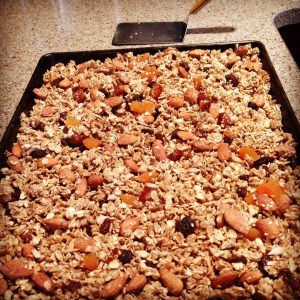
No, I’m not being ironic or “cute” when I say ‘Yogi Granola‘. It’s the real deal. Everyday at the ashram the hundreds of yogis were served home-baked granola at brunch. It was by far my favourite sweet treat at the ashram. So, when I returned home I went into granola withdrawal. Store bought granola has always been a sore spot for me (too much sugar, or so little quantity of the good stuff for a lot of $). Alas, the Sivananda organization has freely shared a recipe for their granola. I tried it out and I am one happy camper (although I’m no longer actually camping..sad face).

Here is the recipe, with a few tweaks a la Hawkins Holistic (I found this recipe wasn’t sweet enough, and didn’t need the amount of wheat as originally called for).

YOGI GRANOLA

  • 1/2 cup maple syrup
  • 1/3 cup agave syrup
  • 1/2 cup hot water
  • 1 tsp vanilla extract
  • 5 cups rolled oats (I use Bob’s Red Mill large flake, GF)
  • 5 tbsp wheat bran
  • 5 tbsp wheat germ
  • 2 tbsp ground flax
  • 3/4 cup almonds
  • 1 cup sunflower seeds
  • 1/3 cup sesame seeds
  • 2 tsp ground cinnamon
  • 1/2 cup golden raisins or raisins
  • 1/3 cup chopped dates or other dried fruits (I used dried apricots)

~ Heat the oven to 250F. Combine the maple syrup, agave, hot water, and vanilla extract.

~ Mix the grains, nuts, seeds and cinnamon in a large mixing bowl. Stir in the maple syrup solution and mix thoroughly. Spread out the mixture on a lightly greased baking sheet and bake in the oven for 45-55mins, stirring three or four times to prevent it from burning. The granola is ready when it is light brown.

~ Mix the granola with the dried fruit while still warm, breaking up the larger chunks as you do so.

~ Leave to cool and then store in air-tight containers.

Serve granola with almond milk as a healthy breakfast or snack, or sprinkle some granola atop your favourite dairy-free ice cream for a decadent dessert!

Naturally yours.

Tis the Season of Sweet

Picture 2

Yes, I really make these.

I love Christmas baking! I take great pleasure in creating the festive morsels, gifting them to friends & family, and eating them (obviously). For some people, it’s very true that once you stoke that sweet-tooth with white sugar, it’s hard to break free of its death grip.

Sugar addiction is a real thing. Consumption of it releases the brains feel-good neurotransmitter dopamine, but it’s a high that’s quick to fade, and much like hard drugs, it leaves the “user” craving more. Sugar, a leading contributor to countless serious health conditions, is commonly referred to as the “white devil” for good reason.

Alas, you need not be a slave to the sweet tooth! Try my Fruit & Nut Dip as an alternative when the occasional holiday indulging has verged on gorging, and perhaps the candy-cane cookies and nanaimo bars will stick around a little longer this season 😉

Fruit & Nut Dip (Gluten-Free, Vegan)

~ 1 small-medium gala apple (or honeycrisp apple)
~ 1 tbsp natural nut or seed butter
~ 1 tbsp organic raisins
~ ½ tbsp organic ground flaxseed
~ Sprinkle of cinnamon
~ Drizzle of agave or maple syrup

Directions: Cut apple into slices. Arrange in small bowl, leaving a space in the center for nut-butter dip. Sprinkle apples with cinnamon. Place nut-butter into center space and top with ground flaxseed and raisins. Lightly drizzle agave/maple syrup over the nut dip. The apple slices are your edible utensils. 🙂

I often enjoy this for dessert and it really satisfies my sweet tooth. And while white sugar depletes the body of nutrients, this sweet snack delivers fiber, protein, omega-3 fatty acids, vitamins & minerals. Consider it a gift to yourself!

Naturally yours.

Sarah Hawkins, R.H.N.

A Guide to Herbal Teas

Picture 7

There are so many wonderful, nourishing herbal teas on the market, and it can be overwhelming to navigate through the plethora of options. I’d love to help you!

First off, I’ll share a bit about my new-found love & respect for herbal teas.

I love coffee. I crave the taste and the accompanying pick-up. If I’m staying overnight at your place I will definitely be asking about the morning’s coffee plan! Alas, too much of this good thing is a bad thing for this girl – and anyone for that matter. But it’s especially the anxiety prone individual that will benefit from limiting coffee intake to a maximum of 2 cups a day (e.g. one tall coffee at Starbucks). I love to sip something all day, and water can become a bit blasé. I like a little “added benefit” to my beverages. Enter herbal teas.

Whether you’re looking for a relaxant, an energy boost, a sleep inducer or mood enhancer, herbal teas can fit the bill.

Are you anxious or restless?
Try: LINDEN, CHAMOMILE
Why: Linden has been used for centuries to treat anxiety. It shifts the autonomic nervous system into the “rest and digest” parasympathetic nervous system where anxiety cannot exist. Linden tea exerts a soothing effect on the body, calming nerves and heart rate. Chamomile is a gentle and sweet-smelling herb that is calming to the body and helpful with irritations of all kinds. For those reasons it has made its way into many households worldwide. Chamomile alone is not a strong sleep aid, making it suitable for day time consumption (unless you’re unusually drowsy!).

Are you having troubles sleeping?
Try: LEMON BALM, VALERIAN, PASSIONFLOWER
Why: Valerian root is a tonic-type herb that calms the nervous system in times of anxiety and stress. It is commonly used to treat insomnia, comparing favourably in effectiveness to prescription drugs! Lemon balm‘s calming effects make it a great tea for addressing sleep problems, especially if the troubles are associated with a racing mind and restlessness. The passionflower plant contains chemicals that have calming, sleep inducing, and muscle spasm relieving effects. You’ll likely find passionflower included in a tea along with other plants/herbs, as opposed to solo.

Are you hitting that afternoon slump?
Try: ROOIBOS, LEMON GINGER, GREEN TEA
Why: Rooibos is chock-full of powerful antioxidants, giving you a healthy energy boost sans caffeine. It’s also known to improve circulation so perhaps partake in some light stretching along with your cup. Lemon ginger tea will perk up your taste buds, warm your stomach, and the scent is invigorating. One cup of green tea offers a small dose of caffeine (35 mg) which can induce a pleasant physical alertness (not shakiness!) while also inviting mental clarity (not brain overdrive!). Just keep it to one cup to stave off caffeine’s negative effects.

Are you looking for some internal cleansing?
Try: DANDELION ROOT, BURDOCK ROOT, MILK THISTLE
Why: Dandelion root is a mild laxative and diuretic that supports liver and kidney function (our two main detoxifying organs).  Burdock root is known for its effectiveness in cleansing the blood and supporting the liver. It’s often recommended by naturopaths, herbalists and holistic nutritionists in the treatment of acne/blemishes because of this action. Milk thistle detoxifies, protects, and heals the liver, making it a good choice for those of us who often imbibe in alcohol or use pain killers. Most detox teas on the market will highlight one or more of these key cleansing herbs.

Are you looking for a mood enhancer?
Try: HOLY BASIL
Why: Holy basil, aka “Tulsi” or “The Incomparable one” (!), has recently gained popularity in North America yet has been grown in India for more than 3,000 years, where it is considered sacred. Holy basil is an adaptogen, meaning it enhances the body’s natural healing response to physical and emotional stress. Adaptogenic herbs do not alter mood, but rather, they help the body function optimally during times of stress. Many of us are unknowingly walking around with depleted levels of stress-managing chemicals, and this results in the experience of chronic stress. If left unattended to, this can grow in to a more serious mood disorder. If you have a mood disorder or regularly experience high-stress situations, I recommend adding holy basil tea to your daily self-care regimen.

Many of the herbs mentioned above are described as the “base herb” of a tea, and 2 or more herbs may be combined by the producer for maximum medicinal effect (e.g. a night-time blend or detox blend). Flavour is important too, and while many teas taste great as they are, you’ll likely come across fruit or dessert flavouring added to teas. This is okay so long as the flavouring is natural and doesn’t add chemicals and artificial sugars/colouring to your brew.

A simple way to enhance the flavour of your chosen herbal tea is to add a generous squeeze of fresh lemon. This will also increase its antioxidant punch.

My favorite brands are Yogi Tea and Traditional Medicinals because they have gotten herb combining down to an art, and their standalone herb teas are superstars themselves! Look in the health section of your grocer to see what your options are. If you’re struggling to find any of the varieties mentioned and you live in Canada try Well.ca. They offer free shipping on orders over $25 CAD and a great variety.

I’m always happy to answer any questions you have. Feel free to contact me 🙂

Naturally yours.

Sarah Hawkins, R.H.N.

Note: I am not affiliated with any brands mentioned in this article. Praise is earned & is my own!

How To Be Here, Now: A Lesson In Mindfulness

February 3, 2014 issue of TIME.

February 3, 2014 issue of TIME.

The term is frequently popping up in scientific peer-reviewed journals and check-out aisle magazines. Why is the concept of mindfulness gaining such momentum? Because, in a time when anxiety and depression rates are climbing, mindfulness works to bring it back, slow it down, and soak it up. Practicing mindfulness gracefully connects us to the world around us, and within us.

Mindfulness has earned a powerful reputation for being a direct pathway to internal peace and awareness. These qualities need to be nurtured and I believe that in modern western society, the cultivation of mindfulness was neglected, and now, people are suffering for it. Thankfully, mindfulness is having its moment in the spotlight; even forward-thinking psychiatrists are recommending mindfulness practice before prescribing brain altering chemically derived drugs, which tend to come with a bevy of unpleasant side effects. Mindfulness, especially when practiced alongside meditation, will also alter your brain chemistry AND will get one in touch with their authentic self & spirit, rather than numbing it. The only side effects of mindfulness are insight, perspective and lingering curiosity.

What is mindfulness? Quite simply, it’s the practice of being present, here & now. It’s actively observing one’s inner experience in a way that is fully aware but non-judgemental. Why do this? Because past/present focused thinking ultimately does us no good in the present tense. In fact, it can hinder us, repress us, and it often creates anxiety states while disconnecting us from the world. When you really look at the present, really ARE in the present, things are quite simple! Try it. What are you doing right now? Clear the mind-junk, let it go. Right now, in this moment, reality is likely quite simple. I challenge you to try this exercise at any moment. To simply “bring it back.”

Allow me to illustrate three common scenarios where mindfulness can be employed.

~ You’re out with a friend for drinks. As she vents about her day you get lost in your own thoughts about your own day, your plans tomorrow, that email that you haven’t replied to, etc. And all in rapid succession! Yes, you are physically present and may even be exhibiting the physical cues of a good listener – eye contact and body facing the speaker – but you are not mentally present. When it comes time for you to speak, to show your friend some support, you have absolutely no idea what she said. I have been guilty of this (!), and I’m guessing that I’m not alone.

What to do: being mindful in this social situation would involve catching yourself early on as your mind begins to drift, and returning your attention to your friend. Maybe you even apologetically tell her that your mind has wandered and to “please repeat that last bit” (this is honest and respectful). Catching yourself when your thoughts lead you astray, and bringing your attention back to the conversation – without judging yourself! – is mindfulness in practice.

~ You’re suffering a succession of bad days. Maybe you’re even depressed. Your mind replays old “stories”, ruminating over them and projecting from them. This is a slippery slope, folks. Imagination is a wonderful, wonderful tool but sometimes it can lead us astray.

What to do: being mindful in this situation would involve stepping back and stopping yourself in your cognitive-tracks, and objectively questioning your story. Is it purely perception, and not founded in fact? Has said situation even happened yet? Is there a place within you that needs more attention and introspection so that you can work through, heal, and move past these self-limiting thoughts? Asking yourself these questions is mindfulness because you are actively taming the wild horse that is your mind, objectively and without judgement. Watching your thoughts, and noticing when they are hurtful rather than helpful, is being mindful.

~ You’re eating dinner in front of the TV. Before you know it, the meal that provides our bodies with the vitality to live, love, and create has vanished. This is eating mindlessly, and when we eat quickly and distractedly, it affects digestion which ultimately effects nutrient absorption and our state of health. We have to eat anyway, so why not make it a pleasurable, sensual, nourishing experience!

What to do: being mindful when eating involves putting away distractions (TV, cell phone, reading material) and taking in the meal with all of your senses. Mindful eating might involve thoroughly chewing food and tasting it, pausing and briefly closing eyes between mouthfuls, and being grateful for the nutrients the meal is providing your body right in this moment. Being mindful at mealtime is being present with the food, and appreciative of the life it gives you.

This is my take on mindfulness, and like anything, it evolves. From reading this, I hope you’ve learned something that you can apply to your daily life, and mindfully so. 🙂

Naturally yours.

Sarah Hawkins, R.H.N.

Pumpkin Perfection

Picture 7

It’s a tasty trend. Pumpkin Spice branded lattes, cakes, and muffins are everywhere. I too am a fan of the flavor, but I wonder… how much pumpkin is the consumer actually getting in any of these products? And why does it matter? Because the real deal is a nutrient superstar.

Pure pumpkin boasts a bounty of nutrients. Vitamin A – great for your skin, eyesight, immunity, and tissue healing – is plentiful in this vegetable. Pumpkin is also a potent source of antioxidants, helping protect the body from the irritating effects of free radicals by neutralizing them. Pumpkins have a lot to offer us humans! But now for the sad news. Most of the commercially made food/drink products have minimal-to-no amounts of real pumpkin in them, but offer plenty of refined sugar and/or flour. Yea, bummer.

So, how can you treat your taste buds to that pumpkin flavour while retaining the nutrients & keeping calories in check? Get creative in the kitchen!

Here are 3 options:

Pumpkin Porridge Add a 1/4 cup pumpkin puree, 1/2 tsp of pumpkin pie spice or cinnamon, and 1/2 scoop of your favorite vanilla protein powder to cooked large-flake oatmeal (or a gluten-free grain such as quinoa). Add coconut milk to reach a desired consistency. If your taste buds don’t take to this lower sugar option, add a drizzle of pure maple syrup. Heavenly.

Pumpkin-Nut Spread Combine 2 parts pumpkin puree to 1 part nut-butter (cashew and almond butters work well here). Mix in pumpkin pie spice or cinnamon to taste, and a few sprinkles of sea salt. Use as a spread on toast or with fruit. Deelish with a drizzle of organic honey!

Potato & Pumpkin Mash Add 1/4 cup to 1/2 cup of pumpkin puree to your standby mashed potato recipe. I like a combo of russet potato, sweet potato, cauliflower, and pumpkin. Season with freshly pressed garlic, sea salt, and fresh ground pepper.

There you have it, folks. Go ahead and participate in the pumpkin-craze, knowing that you’re doing your body good.

Naturally yours.

Sarah Hawkins, R.H.N.


Thankful to Know Thy Body

Picture 8

Getting tested for food sensitivities can both open and close doors. I finally decided to do the test to learn if avoiding my “prime suspects” (gluten, dairy, and nightshades) was all for nil. Was my body truly reactive to these foods or was it all in my mind? I wanted hard evidence.

I went to my naturopath, Dr. Leila Sahabi, to administer the test. All that was required of me was a sample of blood. No fasting. No special requirements. A few weeks later the results were in!

Nightshades (e.g. tomatoes, potatoes, peppers) were in the clear, however, I still eat them mindfully because these foods have stimulating properties. I register a moderate dairy and wheat intolerance (ah ha!), but my highest reaction was to EGGS, BANANAS and SUGAR CANE! I eat eggs and bananas regularly, so my mind was blown (and saddened). But omitting sugar cane – the birthplace of its refined white granulated counterpart? No problem…I thought. As it turns out, most of the packaged health foods I eat frequently list cane sugar (or some derivative of) as a primary ingredient. In the trash went my not-so-cheap goodies.

It would be easy to get discouraged – knowing that homemade banana bread and scrambled eggs are a thing of the past – but I am so grateful to be armed with this new knowledge! I never suspected eggs, bananas, or sugar cane to pose a significant threat to my physical health and state of well-being. So, if you are considering doing a food sensitivity test, I highly recommend it. Maybe the proof-on-paper results will silence the people that can’t comprehend why you don’t sample the cheese log & crackers at your next family holiday dinner. 😉

Check out this recipe that I’m making for tonights Thanksgiving dessert. It meets all of my dietary & sweet-tooth needs. I hope it’s a crowd-pleaser!

Happy Thanksgiving!

Sarah Hawkins, R.H.N.

*What is the difference between food allergy and food sensitivity? An allergic reaction involves the immune system, affects numerous organs in the body, and can be severe or life threatening. A sensitivity/intolerance is a toxic response to food that does not involve the immune system, is generally less serious, and usually involves the digestive system. Source: Mayo Clinic