Hawkins Holistic

Naturally Yours

Category: Services

Pumpkin Perfection

Picture 7

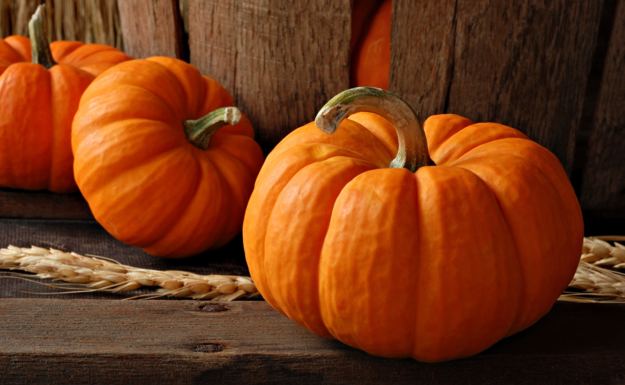
It’s a tasty trend. Pumpkin Spice branded lattes, cakes, and muffins are everywhere. I too am a fan of the flavor, but I wonder… how much pumpkin is the consumer actually getting in any of these products? And why does it matter? Because the real deal is a nutrient superstar.

Pure pumpkin boasts a bounty of nutrients. Vitamin A – great for your skin, eyesight, immunity, and tissue healing – is plentiful in this vegetable. Pumpkin is also a potent source of antioxidants, helping protect the body from the irritating effects of free radicals by neutralizing them. Pumpkins have a lot to offer us humans! But now for the sad news. Most of the commercially made food/drink products have minimal-to-no amounts of real pumpkin in them, but offer plenty of refined sugar and/or flour. Yea, bummer.

So, how can you treat your taste buds to that pumpkin flavour while retaining the nutrients & keeping calories in check? Get creative in the kitchen!

Here are 3 options:

Pumpkin Porridge Add a 1/4 cup pumpkin puree, 1/2 tsp of pumpkin pie spice or cinnamon, and 1/2 scoop of your favorite vanilla protein powder to cooked large-flake oatmeal (or a gluten-free grain such as quinoa). Add coconut milk to reach a desired consistency. If your taste buds don’t take to this lower sugar option, add a drizzle of pure maple syrup. Heavenly.

Pumpkin-Nut Spread Combine 2 parts pumpkin puree to 1 part nut-butter (cashew and almond butters work well here). Mix in pumpkin pie spice or cinnamon to taste, and a few sprinkles of sea salt. Use as a spread on toast or with fruit. Deelish with a drizzle of organic honey!

Potato & Pumpkin Mash Add 1/4 cup to 1/2 cup of pumpkin puree to your standby mashed potato recipe. I like a combo of russet potato, sweet potato, cauliflower, and pumpkin. Season with freshly pressed garlic, sea salt, and fresh ground pepper.

There you have it, folks. Go ahead and participate in the pumpkin-craze, knowing that you’re doing your body good.

Naturally yours.

Sarah Hawkins, R.H.N.


Thankful to Know Thy Body

Picture 8

Getting tested for food sensitivities can both open and close doors. I finally decided to do the test to learn if avoiding my “prime suspects” (gluten, dairy, and nightshades) was all for nil. Was my body truly reactive to these foods or was it all in my mind? I wanted hard evidence.

I went to my naturopath, Dr. Leila Sahabi, to administer the test. All that was required of me was a sample of blood. No fasting. No special requirements. A few weeks later the results were in!

Nightshades (e.g. tomatoes, potatoes, peppers) were in the clear, however, I still eat them mindfully because these foods have stimulating properties. I register a moderate dairy and wheat intolerance (ah ha!), but my highest reaction was to EGGS, BANANAS and SUGAR CANE! I eat eggs and bananas regularly, so my mind was blown (and saddened). But omitting sugar cane – the birthplace of its refined white granulated counterpart? No problem…I thought. As it turns out, most of the packaged health foods I eat frequently list cane sugar (or some derivative of) as a primary ingredient. In the trash went my not-so-cheap goodies.

It would be easy to get discouraged – knowing that homemade banana bread and scrambled eggs are a thing of the past – but I am so grateful to be armed with this new knowledge! I never suspected eggs, bananas, or sugar cane to pose a significant threat to my physical health and state of well-being. So, if you are considering doing a food sensitivity test, I highly recommend it. Maybe the proof-on-paper results will silence the people that can’t comprehend why you don’t sample the cheese log & crackers at your next family holiday dinner. 😉

Check out this recipe that I’m making for tonights Thanksgiving dessert. It meets all of my dietary & sweet-tooth needs. I hope it’s a crowd-pleaser!

Happy Thanksgiving!

Sarah Hawkins, R.H.N.

*What is the difference between food allergy and food sensitivity? An allergic reaction involves the immune system, affects numerous organs in the body, and can be severe or life threatening. A sensitivity/intolerance is a toxic response to food that does not involve the immune system, is generally less serious, and usually involves the digestive system. Source: Mayo Clinic

Eat this to build Emotional Resilience

Picture 5

Meat.

Why? Amino acids.

What are amino acids? They are concentrates of common proteins found in high-protein animal foods such as chicken, beef, fish, eggs and cheese. Amino acids provide very important emotional-fuel for your brain because they feed the four emotion generating neurotransmitters: serotonin, catecholamines, GABA, and endorphins.

Low in serotonin? Maybe you feel depressed, anxious, and have obsessive repetitive thoughts.

Low in catecholamines? Perhaps you feel “blah” and can’t get excited about anything. You’re flat, bored, apathetic and you sleep a lot.

Low in GABA? Maybe you feel overworked, pressured and overwhelmed by stress. You might use tobacco, alcohol, food or drugs to relax and calm down.

Low in endorphins? Perhaps you are considered to be very sensitive, and you find it hard to get over losses and deal with painful issues. You crave pleasure and comfort from numbing substances.

These are just some of the common symptoms of mood disorders. The good news is that a few special amino acids can effectively reverse all four of the brain deficiencies that cause false moods (internal suffering for no justifiable reason). These supplements are widely found over-the-counter and they correct mood imbalances naturally.

Another option, if you’re looking to tune-up brain health, is it to eat more meat! See below for dietary recommendations.

Note: vegetarian protein sources (e.g. beans, soy) are deficient in the oh-so-important amino acids, so if you are a vegetarian/vegan, please make sure you’re getting the right supplements and protein requirements to keep your brain happy, healthy, and strong. I wish I had known this last year when I tried the vegan diet and saw my own mood plummet. Knowledge is power!

Dietary Recommendations for Optimal Emotional Regulation

EAT

  • Protein: eat 20 to 30 grams of animal protein 3X per day
  • Fat: butter, extra virgin olive oil, coconut oil
  • Vegetables: 4-5 cups per day
  • Fruit: 2-4 raw fruits per day, before meals or as a between-meal snack
  • Regularly! Under eating is a leading cause of depression and terrible moods (hangry, anyone?)

AVOID

  • Sugar
  • White-flour starches
  • Wheat (and rye, oats, and barley)
  • Vegetable oil and the margarine and shortening made from it (corn, soy, canola, safflower, sunflower, peanut, sesame, wheatgerm, cottonseed, walnut)
  • Soy
  • Excess caffeine (1-2 cups of coffee per day max)
  • Common allergen foods such as wheat, dairy, soy and the nightshade family (I highly recommend getting a food sensitivity test done via your naturopathic doctor)

If your moods have been plummeting and you suspect an amino acid deficiency, I highly recommend reading Julia Ross’ book The Mood Cure. If you require additional assistance, book an appointment with your holistic nutritionist or naturopathic doctor.

Naturally yours.

Sarah Hawkins, R.H.N.
Puzzled by the holistic approach?

Picture 6

I love this visual to help one understand holistic nutrition and how it differs from traditional dietetics. As I mentioned in a previous post, the holistic nutritionist looks not only at diet, but also lifestyle and the psycho-spiritual. When one piece of the puzzle is missing, our overall health is compromised and perhaps we feel a sense of being “incomplete”…like something’s missing. It can be really challenging to find that piece, especially if you’re looking in the dark.

A holistic nutritionist helps you identify that “missing piece” via a multipronged approach. We address your health concerns and potentially unearth some other areas that need attention. I guide you through recommendations re what you can do to improve your physical/emotional/spiritual health. We open doors, not close them!

As a side note, I do want to address ‘relapse prevention,’ as it’s seen in the diagram. To me, relapse doesn’t only relate to substance abuse – it also lends itself to emotional trauma (e.g. PTSD, severe depression), bad coping habits (e.g. excessive dieting, nail-biting, fast food) and lifestyle (e.g. work/play balance, lack of creative engagement). When each piece of that puzzle is addressed and given some love, the chances of a “relapse” happening are minimized. If someone is nurturing love & respect in themselves, they are less likely to engage in self-harming behavior.

I hope this helps you understand the holistic approach a bit better! The diagram certainly got my wheels turning!

Naturally yours.