Hawkins Holistic

Naturally Yours

Category: Supplements

Honour thy Mind, honour thy Food.

6a019b0058f27d970d01a73e0d1c5d970d-800wi (1)

Stress. You know it when you feel it. But are you aware of the more insidious ways this emotion can effect your health and lifestyle?

I recently wrote a paper that explores how stress influences food choices, digestion and nutrient absorption. Because the paper is quite long, I won’t post it here. That said, I will share an excerpt from the paper that outlines a very practical guide on how to eat mindfully!

When we eat out of anything other than true hunger, we are likely using food for comfort and distraction. Do you identify yourself as an “emotional eater”? The good news is that the practice of mindful eating can replace that of stress eating.

Here are some mindful eating techniques that can turn good intentions into reality

  • Connect with your thoughts & feelings. When your attention is turned to food, ask yourself, “Is real hunger present right now?” The key to eating mindfully involves noting when real hunger is present and when it is not. If real hunger is present then yes it shall be tended to in a nurturing manner. If physiological hunger is not present, it’s a good opportunity to curiously explore what you’re feeling or avoiding. What is it that food is trying to replace?
  • Meditate or take slow deep breaths before mealtime. This will help shift your body into the rest and digest phase (i.e. parasympathetic eating*).
  • Create a peaceful setting in which to dine. Move away from electronics such as TV, laptops and cell phones and towards a dining area that is quiet and calm and void of clutter. A peaceful, non-distracting atmosphere allows you to focus on the meal.
  • Allow ample time for eating. Eating slowly gives your brain and body time to register that you are full. Also, eating at a slow, mindful pace allows you to engage with the food, savoring all of the tastes, smells, sounds, textures, and colors.
  • Take a post meal breather. When the meal is complete, allow the rest and digest phase to do its job. Sit and relax for a few minutes, acknowledging the feelings of satiety and gratitude. You might even go on a light walk out in nature post meal to encourage digestion. Food is meant to energize not immobilize.

Furthermore, chronically stressed individuals may be lacking in certain nutrients and enzymes. If that’s the case, supplementation of specifics vitamins, minerals, herbs, omega-3 fatty acids and amino acids could be of great benefit.

Here are some supplements that can support and re-calibrate the stressed mind & body

  • Vitamin B Complex: look for ones formulated for stress reduction, such as Thorne’s Stress B Complex.
  • Adaptogens: such as rhodiola, ashwaghanda and holy basil.
  • Chromium: this mineral decreases sugar cravings and regulates blood sugar.
  • Magnesium: acts as a nerve tonic and can relieve stress induced constipation. Look for magnesium glycinate.
  • Probiotics: restore the gut flora that contributes to a healthy state of mind. Look for Bifidobacterium longum and Lactobacillus rhamnosus strains.
  • GABA: an amino acid that curbs stress and anxiety. Try AOR’s Gaba.
  • Fish oil: look for one that is high in EPA, such as this fish oil by Cyto Matrix .
  • Good nutrition! It goes without saying that a diet based on whole, natural foods is of the utmost importance when it comes to achieving health of body, mind and soul. If you need assistance with this, please contact me.

It is possible to rewire the brain and create new healthy habits via the process of thinking and living mindfully. Chronic stress can be alleviated as we feed our minds and bodies that which it is truly seeking.

Naturally yours. ❤

Sarah Hawkins, R.H.N.

* Parasympathetic eating involves eating when the relaxed parasympathetic nervous system is active as opposed to the sympathetic nervous system (that which is associated with the high alert fight-or-flight stress response). 


Minty Green Goodness

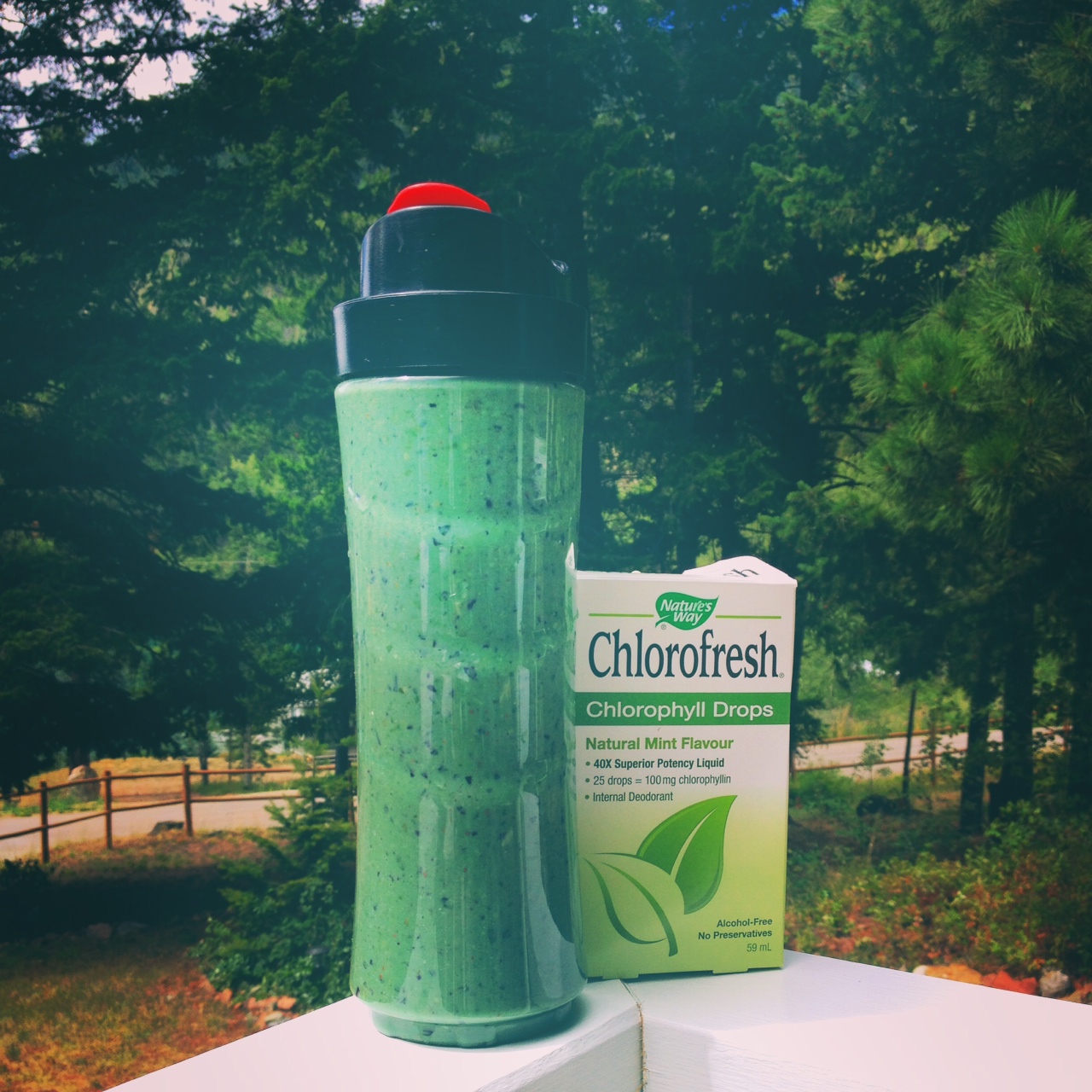
Nature's Way Chlorofresh chlorophyll drops in natural mint flavour.

Nature’s Way Chlorofresh chlorophyll drops in natural mint flavour.

Well… I just turned my regular smoothie into a minty creamy green & dreamy concoction. How? By adding liquid chlorophyll!

It all started when a lovely young woman came in to the natural pharmacy (where I work) last week in desperation to naturally cure her adult acne; a common frustration shared by an increasing number of women. We recommended what I call a “liver rehabilitation” and “skin clarity” plan. The intent was to balance hormones (especially estrogen) and get her blood flowing bright & clean while promoting healthy clear skin.

Why start with the liver? It is the major detoxifying organ of the body. A skin problem that just won’t budge can be indicative of an under-functioning liver. After a good 10 minutes of q&a with the customer, we recommended a diet light on meat and free of processed foods/dairy/wheat, milk thistle tincture, Vitamin C, an estrogen balancing supplement, zinc citrate and chlorophyll. Chlorophyll in a detox plan was new to me, but its inclusion makes so much sense!

Chlorophyll, the chemical compound that gives plants their green colour, has the ability to bind and remove toxic heavy metals from your body. Sometimes during a cleanse, the skin will initially get worse (aiie!) because of the release of long stored toxins that have nowhere to go but into the blood and out through the pores! Enter chlorophyll. It’ll work to catch those suckers before reaching your skin. Alas, for someone on a clear skin program it makes perfect sense to add liquid chlorophyll!

Chlorophyll also:

  • acts as an internal deodorant and freshens breath
  • absorbs sunlight and uses it to make energy in plants, known as photosynthesis
  • increases quality and quantity of red blood cells
  • contains an abundance of magnesium (a mineral that supports heart health, nervous system function, migraine and constipation relief and more)

Chlorophyll is a great addition to your health regime, whether on a cleanse or not. I recommend Nature’s Way Chlorofresh chlorophyll drops in natural mint flavour. So delicious added to a vanilla or chocolate protein smoothie!

Keep it green!

Naturally  yours.

Sarah Hawkins, R.H.N.

Aloe Vera Juice: to drink or not to drink?

Picture 8

As a holistic nutritionist, I spend a lot of time in health food and supplement stores (*heaven*). I’ve seen aloe vera juice in the aisles and always wondered about it. If it’s so good for healing & nourishment when applied topically, can it heal our insides in the same way? Is aloe vera juice the internal healing supplement that some claim it is? After conducting some research on the topic, I found that the answer is not so cut & dried.

Here are some common questions about aloe vera juice:

  • Does it taste good?
    • The undiluted, pure juice is bitter. Think of it like taking a shot of hard alcohol. Without the buzz.
  • Is it safe to drink?
    • If you were hoping for a clear answer, unfortunately I cannot provide one. In fact, the issue is quite controversial and the research is ongoing. The FDA has not deemed this product safe for human consumption. Most alarming is that one part of the leaf contains the carcinogen aloin, and when non-decolorized whole-leaf extract of aloe vera juice was given to rats, it caused tumors to develop in the large intestine. Yes this is unsettling (poor rats!!) but this effect has not been seen in humans. And there is a way to avoid alion: buy decolorized juice made from the inner leaf; it is void of alion. Also, if you are taking other medications, it’s a good idea to check with your doctor about possible drug interactions.
  • What’s the consistency?
    • It’s like that of any juice, and not at all the same consistency as the aloe vera gel we apply topically. Totally different product.
  • How important is it that I drink organic aloe vera juice?
    • Always choose organically produced and manufactured aloe vera juice. The safety of the product is already in question so if you choose to consume it, best go with the pure, uncontaminated product that hasn’t been sprayed with chemicals or grown in a GMO environment.
  • Are there are known side-effects?
    • Aloe vera juice may be laxative in nature, causing diarrhea.
  • What are the health benefits?
    • As it is laxative in nature, it can be helpful for constipation relief. It’s also said to be effective for diabetes (improving blood sugar levels) and heart disease (reduction in total cholesterol levels, while HDL, the “good cholesterol”, increased). As with the topical version, aloe vera juice has anti-inflammatory and antioxidant effects. According to the Ayurvedic tradition, aloe vera juice is cooling to the liver and gallbladder (good for those with a Pitta dosha.. find your dosha here http://doshaquiz.chopra.com/).
  • How much should I drink?
    • Follow the recommendations on the bottle, but I do not think it’s necessary to consume the pure product daily for benefits.

I hope this article provided you with some consumer knowledge about aloe vera juice. If you have any further questions, I’d be happy to answer them! Contact me at hawkinsholistic@gmail.com.

Naturally yours.

Sarah Hawkins, R.H.N.

Eat this to build Emotional Resilience

Picture 5

Meat.

Why? Amino acids.

What are amino acids? They are concentrates of common proteins found in high-protein animal foods such as chicken, beef, fish, eggs and cheese. Amino acids provide very important emotional-fuel for your brain because they feed the four emotion generating neurotransmitters: serotonin, catecholamines, GABA, and endorphins.

Low in serotonin? Maybe you feel depressed, anxious, and have obsessive repetitive thoughts.

Low in catecholamines? Perhaps you feel “blah” and can’t get excited about anything. You’re flat, bored, apathetic and you sleep a lot.

Low in GABA? Maybe you feel overworked, pressured and overwhelmed by stress. You might use tobacco, alcohol, food or drugs to relax and calm down.

Low in endorphins? Perhaps you are considered to be very sensitive, and you find it hard to get over losses and deal with painful issues. You crave pleasure and comfort from numbing substances.

These are just some of the common symptoms of mood disorders. The good news is that a few special amino acids can effectively reverse all four of the brain deficiencies that cause false moods (internal suffering for no justifiable reason). These supplements are widely found over-the-counter and they correct mood imbalances naturally.

Another option, if you’re looking to tune-up brain health, is it to eat more meat! See below for dietary recommendations.

Note: vegetarian protein sources (e.g. beans, soy) are deficient in the oh-so-important amino acids, so if you are a vegetarian/vegan, please make sure you’re getting the right supplements and protein requirements to keep your brain happy, healthy, and strong. I wish I had known this last year when I tried the vegan diet and saw my own mood plummet. Knowledge is power!

Dietary Recommendations for Optimal Emotional Regulation

EAT

  • Protein: eat 20 to 30 grams of animal protein 3X per day
  • Fat: butter, extra virgin olive oil, coconut oil
  • Vegetables: 4-5 cups per day
  • Fruit: 2-4 raw fruits per day, before meals or as a between-meal snack
  • Regularly! Under eating is a leading cause of depression and terrible moods (hangry, anyone?)

AVOID

  • Sugar
  • White-flour starches
  • Wheat (and rye, oats, and barley)
  • Vegetable oil and the margarine and shortening made from it (corn, soy, canola, safflower, sunflower, peanut, sesame, wheatgerm, cottonseed, walnut)
  • Soy
  • Excess caffeine (1-2 cups of coffee per day max)
  • Common allergen foods such as wheat, dairy, soy and the nightshade family (I highly recommend getting a food sensitivity test done via your naturopathic doctor)

If your moods have been plummeting and you suspect an amino acid deficiency, I highly recommend reading Julia Ross’ book The Mood Cure. If you require additional assistance, book an appointment with your holistic nutritionist or naturopathic doctor.

Naturally yours.

Sarah Hawkins, R.H.N.

New website! And what does it mean to be “Holistic”?

Dear Readers! Welcome to my new website!

I am so excited to share with you my knowledge and ongoing discoveries in Holistic Living. You can look forward to posts about nutrition, mindfulness, supplementation, alternative therapies and natural remedies, all with a holistic backbone.

What is it to live holistically? It means to nurture our whole being, that is, our physical, mental, and spiritual selves, in natural and noninvasive ways. This involves taking great care with our diet (food, beverages, also supplementation), lifestyle (work, sleep, play and exercise habits, chemical exposure), and the psycho-spiritual (mindfulness, connection, love, meditation).

Someone who lives a holistic lifestyle believes that overall health and wellness is the sum of these parts, and that mind-body-soul is absolutely interdependent. When any of these systems are neglected, ones quality of life is compromised, and physical and mental symptoms often arise (e.g. food cravings, depression, bloat, headaches). Enter a Holistic Nutritionist to save the day!

What does Holistic Living look like? It incorporates seasonal locally-grown vegetables and grass-fed local beef, drinking herbal teas to detoxify & soothe, and taking supplements where extra support is needed. It also means self-acceptance and “tuning in” to yourself and the wonderful world around you. It means dancing, laughing, singing, playing, loving and daydreaming. It means embracing YOU, as nature intended.

“The road to better health will not be found through more drugs, doctors and hospitals. Instead it will be discovered through better nutrition and changes in lifestyle.” – William Crook, MD

Please join me on my journey in Holistic Living!

More to follow soon…

Naturally yours,

Sarah Hawkins, R.H.N.