Hawkins Holistic

Naturally Yours

A Sensuous & Simple Skin Detox
Picture 5

Although the liver is the body’s primary detoxifying organ, the skin – the body’s largest organ – is not far behind. The skin contains millions of pores which are constantly pushing out debris, while also allowing particles in. Our body’s fight against toxins from food, air, and chemicals is ongoing. These toxins build up if not efficiently excreted, often manifesting in unpleasant symptoms such as acne, rashes, headaches, bad body odor, lethargy, and even mental confusion. The skin – how it appears and what it emits – is a reliable indicator of what’s happening within our body. Thankfully, we can lovingly help our skin do its detox-job, while improving its texture, clarity, and overall radiance. Win-win!

With insight gleaned from my recent study in advanced detoxification, I’ve developed a simple skin-detoxifying ritual. I’ve been doing it for 6 weeks now, and have come to thoroughly enjoy the process and its benefits. It’s the most relaxing, rejuvenating, and decadent detox ritual that I’ve ever experienced!

Before proceeding, it’s important for me to make note of something. While this detox does seem to echo our nations relentless quest for radiant, blemish-free skin, perfect skin is not the goal here. Rather, the intent is to create the optimal condition for skin health, given our individual circumstance. And hey, if on any given day your skin isn’t glowing, your smile & soul can take on that task. 🙂

Here are the steps:

1) Dry brush the entire body (except face!). This increases circulation in the skin and massages the lymph nodes, preparing skin for detoxification. Start from the feet and work your way up, brushing in small, circular motions. Be gentle-yet-thorough, brushing for at least 2 minutes. You can find natural, soft-bristled body brushes in most health food stores.

2) Prepare a warm-hot Epsom salt bath, using 4 cups Epsom salt for detoxification effects. Why Epsom salt? Because it’s rich in minerals and contains the chemical compound magnesium sulfate. Magnesium helps to keep your bodily functions running smoothly, including some of the pathways that lead toxins right out of your body. Sulfate helps to strengthen the walls of your digestive tract so that it’s easier to release toxins. Magnesium is also an excellent muscle relaxant, which is why I tend to do my detox bath after a workout. The heat of the water is important because it opens pores and induces sweating – an excellent way to detoxify. Feel free to add a few drops of soothing essential oils to the bath water, such as lavender or bergamot. Bath bubbles are OK so long as the suds are made with gentle, natural ingredients (what’s the point of taking a detox bath if you add chemicals to the bathing water?).

3) During the first 5 minutes of the bath, sip a skin clearing tincture containing burdock root. Why? Burdock is known to enhance skin clarity by encouraging other organs, such as the liver and kidneys, to eliminate toxins thereby reducing toxic load on the skin. I recommend this tincture, available online at well.ca. If a tincture is too high maintenance, sip a herbal detox tea instead. I love this tea made by Yogi, but any herbal detox tea will do.

4) Soak for at least 20 minutes. If the thought of simply lying in the tub fills you with dread, learn what works for you in terms of passing time. Play some music, listen to a podcast, read a novel (one that you aren’t afraid to get a  bit wet). I like to light candles and have my iPhone nearby so that if I want to listen to something, I can. Keeping a towel within reach is handy.

5) After the bath, take a shower. There may be debris on your skin from the detox, as well as salt residue, which can be drying to your skin and hair. When washing, use gentle products so not to irritate the skin.

6) End your detox by downing a big glass of filtered water. You’d be surprised how much fluid you’ve lost via sweating, also making this bath a great way to banish bloat!

After your detox bath, expect to feel refreshed, calm and clean, inside & out. Take comfort knowing that you’ve done a great thing for your body & mind. Do this ritual 2x a week to see and feel results.

If you have any questions, comments, or concerns I’d love to hear from you! My contact info can be found here.

Naturally Yours.

Sarah Hawkins, R.H.N.

How To Be Here, Now: A Lesson In Mindfulness

February 3, 2014 issue of TIME.

February 3, 2014 issue of TIME.

The term is frequently popping up in scientific peer-reviewed journals and check-out aisle magazines. Why is the concept of mindfulness gaining such momentum? Because, in a time when anxiety and depression rates are climbing, mindfulness works to bring it back, slow it down, and soak it up. Practicing mindfulness gracefully connects us to the world around us, and within us.

Mindfulness has earned a powerful reputation for being a direct pathway to internal peace and awareness. These qualities need to be nurtured and I believe that in modern western society, the cultivation of mindfulness was neglected, and now, people are suffering for it. Thankfully, mindfulness is having its moment in the spotlight; even forward-thinking psychiatrists are recommending mindfulness practice before prescribing brain altering chemically derived drugs, which tend to come with a bevy of unpleasant side effects. Mindfulness, especially when practiced alongside meditation, will also alter your brain chemistry AND will get one in touch with their authentic self & spirit, rather than numbing it. The only side effects of mindfulness are insight, perspective and lingering curiosity.

What is mindfulness? Quite simply, it’s the practice of being present, here & now. It’s actively observing one’s inner experience in a way that is fully aware but non-judgemental. Why do this? Because past/present focused thinking ultimately does us no good in the present tense. In fact, it can hinder us, repress us, and it often creates anxiety states while disconnecting us from the world. When you really look at the present, really ARE in the present, things are quite simple! Try it. What are you doing right now? Clear the mind-junk, let it go. Right now, in this moment, reality is likely quite simple. I challenge you to try this exercise at any moment. To simply “bring it back.”

Allow me to illustrate three common scenarios where mindfulness can be employed.

~ You’re out with a friend for drinks. As she vents about her day you get lost in your own thoughts about your own day, your plans tomorrow, that email that you haven’t replied to, etc. And all in rapid succession! Yes, you are physically present and may even be exhibiting the physical cues of a good listener – eye contact and body facing the speaker – but you are not mentally present. When it comes time for you to speak, to show your friend some support, you have absolutely no idea what she said. I have been guilty of this (!), and I’m guessing that I’m not alone.

What to do: being mindful in this social situation would involve catching yourself early on as your mind begins to drift, and returning your attention to your friend. Maybe you even apologetically tell her that your mind has wandered and to “please repeat that last bit” (this is honest and respectful). Catching yourself when your thoughts lead you astray, and bringing your attention back to the conversation – without judging yourself! – is mindfulness in practice.

~ You’re suffering a succession of bad days. Maybe you’re even depressed. Your mind replays old “stories”, ruminating over them and projecting from them. This is a slippery slope, folks. Imagination is a wonderful, wonderful tool but sometimes it can lead us astray.

What to do: being mindful in this situation would involve stepping back and stopping yourself in your cognitive-tracks, and objectively questioning your story. Is it purely perception, and not founded in fact? Has said situation even happened yet? Is there a place within you that needs more attention and introspection so that you can work through, heal, and move past these self-limiting thoughts? Asking yourself these questions is mindfulness because you are actively taming the wild horse that is your mind, objectively and without judgement. Watching your thoughts, and noticing when they are hurtful rather than helpful, is being mindful.

~ You’re eating dinner in front of the TV. Before you know it, the meal that provides our bodies with the vitality to live, love, and create has vanished. This is eating mindlessly, and when we eat quickly and distractedly, it affects digestion which ultimately effects nutrient absorption and our state of health. We have to eat anyway, so why not make it a pleasurable, sensual, nourishing experience!

What to do: being mindful when eating involves putting away distractions (TV, cell phone, reading material) and taking in the meal with all of your senses. Mindful eating might involve thoroughly chewing food and tasting it, pausing and briefly closing eyes between mouthfuls, and being grateful for the nutrients the meal is providing your body right in this moment. Being mindful at mealtime is being present with the food, and appreciative of the life it gives you.

This is my take on mindfulness, and like anything, it evolves. From reading this, I hope you’ve learned something that you can apply to your daily life, and mindfully so. 🙂

Naturally yours.

Sarah Hawkins, R.H.N.

Pumpkin Perfection

Picture 7

It’s a tasty trend. Pumpkin Spice branded lattes, cakes, and muffins are everywhere. I too am a fan of the flavor, but I wonder… how much pumpkin is the consumer actually getting in any of these products? And why does it matter? Because the real deal is a nutrient superstar.

Pure pumpkin boasts a bounty of nutrients. Vitamin A – great for your skin, eyesight, immunity, and tissue healing – is plentiful in this vegetable. Pumpkin is also a potent source of antioxidants, helping protect the body from the irritating effects of free radicals by neutralizing them. Pumpkins have a lot to offer us humans! But now for the sad news. Most of the commercially made food/drink products have minimal-to-no amounts of real pumpkin in them, but offer plenty of refined sugar and/or flour. Yea, bummer.

So, how can you treat your taste buds to that pumpkin flavour while retaining the nutrients & keeping calories in check? Get creative in the kitchen!

Here are 3 options:

Pumpkin Porridge Add a 1/4 cup pumpkin puree, 1/2 tsp of pumpkin pie spice or cinnamon, and 1/2 scoop of your favorite vanilla protein powder to cooked large-flake oatmeal (or a gluten-free grain such as quinoa). Add coconut milk to reach a desired consistency. If your taste buds don’t take to this lower sugar option, add a drizzle of pure maple syrup. Heavenly.

Pumpkin-Nut Spread Combine 2 parts pumpkin puree to 1 part nut-butter (cashew and almond butters work well here). Mix in pumpkin pie spice or cinnamon to taste, and a few sprinkles of sea salt. Use as a spread on toast or with fruit. Deelish with a drizzle of organic honey!

Potato & Pumpkin Mash Add 1/4 cup to 1/2 cup of pumpkin puree to your standby mashed potato recipe. I like a combo of russet potato, sweet potato, cauliflower, and pumpkin. Season with freshly pressed garlic, sea salt, and fresh ground pepper.

There you have it, folks. Go ahead and participate in the pumpkin-craze, knowing that you’re doing your body good.

Naturally yours.

Sarah Hawkins, R.H.N.


Thankful to Know Thy Body

Picture 8

Getting tested for food sensitivities can both open and close doors. I finally decided to do the test to learn if avoiding my “prime suspects” (gluten, dairy, and nightshades) was all for nil. Was my body truly reactive to these foods or was it all in my mind? I wanted hard evidence.

I went to my naturopath, Dr. Leila Sahabi, to administer the test. All that was required of me was a sample of blood. No fasting. No special requirements. A few weeks later the results were in!

Nightshades (e.g. tomatoes, potatoes, peppers) were in the clear, however, I still eat them mindfully because these foods have stimulating properties. I register a moderate dairy and wheat intolerance (ah ha!), but my highest reaction was to EGGS, BANANAS and SUGAR CANE! I eat eggs and bananas regularly, so my mind was blown (and saddened). But omitting sugar cane – the birthplace of its refined white granulated counterpart? No problem…I thought. As it turns out, most of the packaged health foods I eat frequently list cane sugar (or some derivative of) as a primary ingredient. In the trash went my not-so-cheap goodies.

It would be easy to get discouraged – knowing that homemade banana bread and scrambled eggs are a thing of the past – but I am so grateful to be armed with this new knowledge! I never suspected eggs, bananas, or sugar cane to pose a significant threat to my physical health and state of well-being. So, if you are considering doing a food sensitivity test, I highly recommend it. Maybe the proof-on-paper results will silence the people that can’t comprehend why you don’t sample the cheese log & crackers at your next family holiday dinner. 😉

Check out this recipe that I’m making for tonights Thanksgiving dessert. It meets all of my dietary & sweet-tooth needs. I hope it’s a crowd-pleaser!

Happy Thanksgiving!

Sarah Hawkins, R.H.N.

*What is the difference between food allergy and food sensitivity? An allergic reaction involves the immune system, affects numerous organs in the body, and can be severe or life threatening. A sensitivity/intolerance is a toxic response to food that does not involve the immune system, is generally less serious, and usually involves the digestive system. Source: Mayo Clinic

Eat this to build Emotional Resilience

Picture 5

Meat.

Why? Amino acids.

What are amino acids? They are concentrates of common proteins found in high-protein animal foods such as chicken, beef, fish, eggs and cheese. Amino acids provide very important emotional-fuel for your brain because they feed the four emotion generating neurotransmitters: serotonin, catecholamines, GABA, and endorphins.

Low in serotonin? Maybe you feel depressed, anxious, and have obsessive repetitive thoughts.

Low in catecholamines? Perhaps you feel “blah” and can’t get excited about anything. You’re flat, bored, apathetic and you sleep a lot.

Low in GABA? Maybe you feel overworked, pressured and overwhelmed by stress. You might use tobacco, alcohol, food or drugs to relax and calm down.

Low in endorphins? Perhaps you are considered to be very sensitive, and you find it hard to get over losses and deal with painful issues. You crave pleasure and comfort from numbing substances.

These are just some of the common symptoms of mood disorders. The good news is that a few special amino acids can effectively reverse all four of the brain deficiencies that cause false moods (internal suffering for no justifiable reason). These supplements are widely found over-the-counter and they correct mood imbalances naturally.

Another option, if you’re looking to tune-up brain health, is it to eat more meat! See below for dietary recommendations.

Note: vegetarian protein sources (e.g. beans, soy) are deficient in the oh-so-important amino acids, so if you are a vegetarian/vegan, please make sure you’re getting the right supplements and protein requirements to keep your brain happy, healthy, and strong. I wish I had known this last year when I tried the vegan diet and saw my own mood plummet. Knowledge is power!

Dietary Recommendations for Optimal Emotional Regulation

EAT

  • Protein: eat 20 to 30 grams of animal protein 3X per day
  • Fat: butter, extra virgin olive oil, coconut oil
  • Vegetables: 4-5 cups per day
  • Fruit: 2-4 raw fruits per day, before meals or as a between-meal snack
  • Regularly! Under eating is a leading cause of depression and terrible moods (hangry, anyone?)

AVOID

  • Sugar
  • White-flour starches
  • Wheat (and rye, oats, and barley)
  • Vegetable oil and the margarine and shortening made from it (corn, soy, canola, safflower, sunflower, peanut, sesame, wheatgerm, cottonseed, walnut)
  • Soy
  • Excess caffeine (1-2 cups of coffee per day max)
  • Common allergen foods such as wheat, dairy, soy and the nightshade family (I highly recommend getting a food sensitivity test done via your naturopathic doctor)

If your moods have been plummeting and you suspect an amino acid deficiency, I highly recommend reading Julia Ross’ book The Mood Cure. If you require additional assistance, book an appointment with your holistic nutritionist or naturopathic doctor.

Naturally yours.

Sarah Hawkins, R.H.N.

Pranayama Yoga

Picture 2

Modern science shows us that practicing yoga has immense benefits in all aspects of health – physical, mental, social, and spiritual. But how does one apply that science to their life? Answer…via Dr. Bhopal!

Last weekend, I was given the opportunity to attend one of Dr. Jaswant Bhopal’s pranayama yoga & meditation classes. In 2 hours time he eloquently guided students through breathing techniques that heal and soothe both mind & body. I didn’t know what to expect going into it – the yoga I’ve done in past has been that of the mainstream variety – but I left a changed person. My eyes have been opened to yet another natural, non-invasive way to effectively promote health and practice mindfulness.

A bit about Dr. Bhopal…he’s an assistant clinical professor, physician, psychiatrist, spiritual preceptor, yogi, toastmaster and poet. Ya know, just yer average guy. For those of you who like to know why something works – for e.g., how exactly does this breathing exercise slow down the sympathetic nervous system – Dr. Bhopal can tell you. And he can tell you how adopting a ‘Prana-Life’ is comparable in effectiveness to prescription meds when dealing with mood disorders.

If I could go to Dr. Bhopal’s class every day I absolutely would, but because that’s not an option, my intent is to practice the breathing techniques and study the Prana-Life principles (see below).

If you are based in and/or around Vancouver BC, I highly recommend attending Dr. Bhopal’s next monthly class (it’s free by the way!). Check here for details.

 BENEFITS OF PRANAYAMA

Increases Decreases
  • Oxygenation of tissues
  • Immunity
  • Vagal tone (the degree of activity within the parasympathetic nervous system, e.g. heart rate)
  • Hormonal balance
  • Melatonin (the sleep hormone)
  • Alpha rhythms on the EEG (rhythmic electrical cycles in the brain)
  • Body’s own healing propensities
  • Toxins
  • Mental stress
  • Hypertension
  • Heart rate

PRANA-LIFE PRINCIPLES

Doing Good to Others: Doing Good to Self 
Non-violence ~ not harming other sentient (i.e. emotional) beings, including one’s self, and not harming the environment. Non-violence includes practicing tolerance and not speaking ill of others, even if based in truth.

Truthfulness ~ not deceiving or intending to deceive others or ourselves in our thoughts, words or actions.

Non-stealing ~ only take something with permission.

Sexual propriety ~ regarding others as human beings rather than as male or female bodies. Sexual activity, within a committed relationship, ensures the conservation of our energy for spiritual practice.

Abstention from greed ~ not coveting that which is not ours, and avoiding the acquisition of unnecessary objects.

Cleanliness ~ internal and external, such as moderation in diet. Cleanliness also implies avoiding the impurities of mismanaged anger and egoism.

Contentment ~ acceptance of the external situation that we have been allotted in life while not being complacent about injustice.

Austerity ~ committing to our yoga and spiritual practice.

Self-study ~ looking within one’s self, and contemplating and applying the spiritual scriptures of our chosen path.

Surrender to a higher power ~ surrendering to God or a higher principle other than one’s limited self. It implies cultivating the senses of modesty and humility.


 Naturally yours.


Need some holistic help?

Check out my Services page to see how I can help you, and my About page to learn why I do what I do.

Sarah Hawkins, R.H.N.

Recipe: Chocolate-Banana Pudding (V/GF)

Picture 10

Results may not appear as shown. Expect chocolatey goodness nonetheless.


Oh yes. A decadent dessert that your mind & body can feel good about eating!

I have a somewhat insatiable sweet tooth, yet it was certainly pleased with today’s concoction. The fact that it’s vegan, raw, and gluten-free is just the icing on the cake (come to think of it, if I left it a bit thicker this could potentially be used as cake icing…hmmm…challenge accepted, self!).

Chocolate-Banana Pudding

  • 1 large ripe banana (very spotted peel with some yellow still peeking through)
  • 1 ripe avocado (indents when pressed)
  • 1/4 cup Dutch-process cocoa powder (alkalized)
  • 1/4 cup coconut palm sugar
  • 2 tbsp coconut milk
  • 1 tbsp maca powder (ancient superfood)
  • 1 tbsp chia seeds (for a bit of texture and added nutrition!)
  • 1/2 tsp pure vanilla extract
  • Dash of sea salt

Combine all ingredients in a food processor or high-functioning blender and puree until a desired consistency is reached. Cover and refrigerate for 1 hour before serving. Serves 4.

I topped my pudding with organic peanuts for a bit of added crunch (and decadence!). Berries would go very well, too. ♥

Naturally yours.

Nutritional info per serving: 215 calories, 9.6 g fat, 52.2 mg sodium, 37.4 g carbohydrate, 8.2 g dietary fiber, 5.1 g sugar, 5.3 g protein.

Pemberton Livin’ & Lovin’

IMG_7775

Mosquito Lake, Pemberton

Last weekend, I was blessed with an opportunity to stay on an amazing property in Pemberton, BC. Upon arrival I was given a tour, throughout which I was constantly catching my breath. The elevated forest-dense lot covered 8.5 acres containing a wood framed house, a large shed, a barn, a massive camper/trailer, and a private trail to hike and ride. It felt like I was in a dream, a living dream!

The property was off the beaten path in the best way. A <10 min drive gets you to Pemberton Village for a coffee at Mount Currie Coffee Co, a pint at The Pony, or a delicious meal at farm-to-table restaurant Solfeggio (#best). A 30 min drive would get you to the hustle and bustle of Whistler. But Pemberton and Whistler cannot be compared… Pemberton is a small community with large farmlands, an easy pace, and friendly, laid-back locals. Everyone that we talked to loved living there and seemed so content with their chosen lifestyle. As my friend and I wandered the town and sat by the lake, anxiety took a back seat, and it felt great. Pemberton, with its blanket of mountains and rich agriculture, has a good vibe.

Solfeggio, Pemberton

From a holistic nutrition point-of-view, I noticed that Pemberton could use some help! I am a cafe-aholic and I know an unhealthy gluten-free/vegan muffin when I see one (sugar is vegan and gluten-free, just sayin). I could also envision myself working on a farm or helping a local B&B with their breakfast menu. There are artisanal niches to be filled!

I’ll wrap my Pemberton post by saying this. Briefly immersing in the lifestyle and talking to the locals showed me that it is possible to live by your own standards. Eschewing what doesn’t work for you and embracing what does, as non-traditional as it may seem, is a gift to yourself. Transition takes courage, yes, but the doors are open. Far out.

Naturally yours.

Culture watching

Picture 8

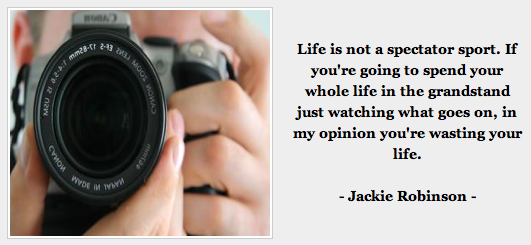
I wanted to share this great read about watching life vs. participating in life. I appreciate that the author, Barry Chudakov, looks at the topic factually, rather than shaming us for acting as spectator. He talks about how it is and how we got here.

What I take from this read is a call to be more mindful of how much time we spend watching life vs. actively engaging in it. No judgement, no critique, just be curious. 🙂

http://www.dailygood.org/story/854/9-ways-the-culture-of-watching-is-changing-us-barry-chudakov/

Naturally yours.