Hawkins Holistic

Naturally Yours

Tag: diet

Honour thy Mind, honour thy Food.

6a019b0058f27d970d01a73e0d1c5d970d-800wi (1)

Stress. You know it when you feel it. But are you aware of the more insidious ways this emotion can effect your health and lifestyle?

I recently wrote a paper that explores how stress influences food choices, digestion and nutrient absorption. Because the paper is quite long, I won’t post it here. That said, I will share an excerpt from the paper that outlines a very practical guide on how to eat mindfully!

When we eat out of anything other than true hunger, we are likely using food for comfort and distraction. Do you identify yourself as an “emotional eater”? The good news is that the practice of mindful eating can replace that of stress eating.

Here are some mindful eating techniques that can turn good intentions into reality

  • Connect with your thoughts & feelings. When your attention is turned to food, ask yourself, “Is real hunger present right now?” The key to eating mindfully involves noting when real hunger is present and when it is not. If real hunger is present then yes it shall be tended to in a nurturing manner. If physiological hunger is not present, it’s a good opportunity to curiously explore what you’re feeling or avoiding. What is it that food is trying to replace?
  • Meditate or take slow deep breaths before mealtime. This will help shift your body into the rest and digest phase (i.e. parasympathetic eating*).
  • Create a peaceful setting in which to dine. Move away from electronics such as TV, laptops and cell phones and towards a dining area that is quiet and calm and void of clutter. A peaceful, non-distracting atmosphere allows you to focus on the meal.
  • Allow ample time for eating. Eating slowly gives your brain and body time to register that you are full. Also, eating at a slow, mindful pace allows you to engage with the food, savoring all of the tastes, smells, sounds, textures, and colors.
  • Take a post meal breather. When the meal is complete, allow the rest and digest phase to do its job. Sit and relax for a few minutes, acknowledging the feelings of satiety and gratitude. You might even go on a light walk out in nature post meal to encourage digestion. Food is meant to energize not immobilize.

Furthermore, chronically stressed individuals may be lacking in certain nutrients and enzymes. If that’s the case, supplementation of specifics vitamins, minerals, herbs, omega-3 fatty acids and amino acids could be of great benefit.

Here are some supplements that can support and re-calibrate the stressed mind & body

  • Vitamin B Complex: look for ones formulated for stress reduction, such as Thorne’s Stress B Complex.
  • Adaptogens: such as rhodiola, ashwaghanda and holy basil.
  • Chromium: this mineral decreases sugar cravings and regulates blood sugar.
  • Magnesium: acts as a nerve tonic and can relieve stress induced constipation. Look for magnesium glycinate.
  • Probiotics: restore the gut flora that contributes to a healthy state of mind. Look for Bifidobacterium longum and Lactobacillus rhamnosus strains.
  • GABA: an amino acid that curbs stress and anxiety. Try AOR’s Gaba.
  • Fish oil: look for one that is high in EPA, such as this fish oil by Cyto Matrix .
  • Good nutrition! It goes without saying that a diet based on whole, natural foods is of the utmost importance when it comes to achieving health of body, mind and soul. If you need assistance with this, please contact me.

It is possible to rewire the brain and create new healthy habits via the process of thinking and living mindfully. Chronic stress can be alleviated as we feed our minds and bodies that which it is truly seeking.

Naturally yours. ❤

Sarah Hawkins, R.H.N.

* Parasympathetic eating involves eating when the relaxed parasympathetic nervous system is active as opposed to the sympathetic nervous system (that which is associated with the high alert fight-or-flight stress response). 



Facts about Fermented Foods

Can you get your daily serving of probiotics from this sandwhich?

You could get your daily serving of probiotics from this sandwich!

Does the term “fermented foods” leave you scratching your head?

Thanks to the growing popularity of the macrobiotic diet and seeing kombucha drinks lining grocery store shelves, you might have heard of fermented foods. I’m glad these foods are getting attention, but I believe there is a lot of unmet curiosity from the consumer side. People know fermented foods are good for them, but do they know why? I didn’t, and as a holistic nutritionist, I had a burning desire to understand.

What does it mean to be “fermented”? 

The cultivation of a fermented food/beverage is really more of an art than a science. A fermented food/beverage is one that has undergone fermentation, a careful & lengthy process in which food is exposed to bacteria (such as lactic acid) and yeasts, either via inoculation or naturally through the air. Beneficial microorganisms beat out the damaging ones, and eat up the carbohydrates in the food. The results are interesting flavors, textures, smells, and of course, that nutritional punch!

How can consuming fermented foods help me?

They are PACKED with probiotics – that good bacteria that lives in your gut. Yes, you can take probiotics as a supplement, and there are many wonderful ones on the market, but if I can get a hefty dose of naturally occurring beneficial bacteria from food, I’m all for it.

Fermented foods, while good for everyone, are of particular benefit to those who:

  • have a low immune system: frequent colds/flu, chronic fatigue, slow healing wounds, yeast/candida, recurrent illness
  • have taken antibiotics, long-term or short-term
  • experience depression, mood disorders, and/or difficulty regulating emotions
  • suffer from digestive distress such as indigestion, constipation, diarrhea, IBS
  • are undergoing a detox: fermented foods are excellent chelators, meaning their bacteria binds to free-floating toxins and heavy metals, excreting them through the proper channels of elimination (rather than circulating throughout the body)
  • have difficulty swallowing pills (making probiotic supplementation a non-starter)

What are the best sources of fermented food/beverage?

The top nutrition-wise sources are:

  • tempeh
  • kimchi
  • kombucha beverage (be mindful of the sugar content)
  • sauerkraut
  • miso
  • kefir
  • apple cider vinegar (with the mother)

At less than 2 grams of sugar per serving, GT’s Synergy Trilogy kombucha beverage is a top pick.

If you prefer to take your probiotics in supplement form but still want the benefits of fermentation, try Dr. Ohhira’s award-winning probiotic supplement. This potent probiotic is made from 92 fruits, vegetables, mushrooms & seaweed that are fermented over a 3 year process. Bonus: it’s shelf-stable (no need for refrigeration!). Learn more about Dr. Ohhira’s probiotic here.

These are the base facts about fermented foods. My interest in the subject is on-going, and I’ve made the decision to include fermented foods in my day-to-day diet.

For more info about the macrobiotic diet, go to the Kushi Institute website http://www.kushiinstitute.org.

Naturally yours!

Sarah Hawkins, R.H.N.

Going Gluten-Free: beyond the trend

BE WARNED: just cuz that cake is gluten-free does not mean it's healthy!

BE FOREWARNED: just because that cake is gluten-free, vegan, low-fat etc. does not mean it’s healthy!

When it comes to going gluten-free (GF), I recommend it for anyone who wants to live a healthy life full of vibrancy, energy & radiance (yes, you!). But for those suffering from serious or even minor health conditions, avoiding gluten is of particular importance, in fact, it can be a game changer.

Why is gluten so “bad”? Modern wheat is now incredibly over processed, and to our bodies, it’s a foreign substance. As such, our bodies react to it via body-wide inflammation and spiked blood sugar levels. It’s worth noting that inflammation is the predecessor to all disease.

Going gluten-free can relieve or correct the following conditions:

  • Chronic inflammation (arthritis, allergies, atherosclerosis)
  • Skin disorders (acne, eczema, psoriasis, rashes)
  • Digestive disturbances (constipation, gas, IBS)
  • Excess weight (especially around the abdomen)
  • Headaches and migraines
  • Fatigue and lethargy
  • Cognitive disorders (anxiety, depression, lack of concentration, mental fog)
  • Pain in general!

If you are experiencing any of the above, and wheat has been a mainstay in your diet, I recommend omitting gluten from your diet for 2 weeks to see if your symptoms improve.

The following grains are naturally gluten-free (i.e. safe to eat on a GF diet):

  • Millet
  • Quinoa
  • Rice (brown, white, wild)
  • Amaranth
  • Buckwheat
  • Sorghum
  • Teff
  • Oats labeled GF (although oats do not naturally contain gluten, they are frequently contaminated with gluten because they are processed at mills that also handle wheat; avoid them unless they come with a guarantee that they are gluten-free)

Omit:

  • Wheat
  • Wheat germ
  • Rye
  • Barley
  • Bulgur
  • Couscous
  • Farina
  • Graham flour
  • Kamut Matzo
  • Semolina
  • Spelt
  • Triticale

Gluten is sneaky! Watch out for breaded foods (e.g. tempura, some french fries), soy sauce, and beer, unless declared GF!

Some great gluten-free products are:

  • Bob’s Red Mill Gluten Free oats
  • Bob’s Red Mill Gluten Free muesli
  • Trader Joe’s Gluten Free oats
  • Glutenull bread products
  • Tinkyada rice pasta
  • Explore Asian bean pasta (bonus: it’s high in vegetarian protein)
  • Food Should Taste Good crackers
  • Bragg Liquid Aminos (use this in place of soy sauce)

And if you have a sweet tooth, Betty Crocker makes a great GF cake mix!

Going gluten-free, while it requires some initial adjustment, is absolutely doable. If you need guidance, support and advice as you undergo dietary & lifestyle changes, contact me at hawkinsholistic@gmail.com.

Naturally yours,

Sarah Hawkins, RHN

Mother’s Day: let there be cake!

photo

I love my Mom, and with today being Mother’s Day, she deserved something extra special! As such I made her this gluten-free chocolate cake (it’s made with quinoa!). It’s OH so moist and freezes really well (should we not get through it in the next 3 days… yea right).

Get the original tried-and-true recipe from the ladies behind Quinoa 365 here: http://patriciaandcarolyn.com/the-original-quinoa-chocolate-cake/

I layer Smucker’s No Sugar Added raspberry jam in the middle, and today I topped it off with vanilla frosting. A simple dusting of icing sugar, done right before serving, also adds a nice touch.

Please note that although it’s gluten-free and made with quinoa, I’m not claiming this cake to be healthy! There is a lot of sugar and fat in this cake, so enjoy in moderation! And remember, a holistic lifestyle embodies nutritional awareness and a balanced approach to food.

Naturally yours ♥

Sarah Hawkins, R.H.N.

Yogi Granola: a recipe

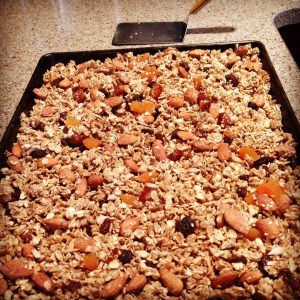
photo

No, I’m not being ironic or “cute” when I say ‘Yogi Granola‘. It’s the real deal. Everyday at the ashram the hundreds of yogis were served home-baked granola at brunch. It was by far my favourite sweet treat at the ashram. So, when I returned home I went into granola withdrawal. Store bought granola has always been a sore spot for me (too much sugar, or so little quantity of the good stuff for a lot of $). Alas, the Sivananda organization has freely shared a recipe for their granola. I tried it out and I am one happy camper (although I’m no longer actually camping..sad face).

Here is the recipe, with a few tweaks a la Hawkins Holistic (I found this recipe wasn’t sweet enough, and didn’t need the amount of wheat as originally called for).

YOGI GRANOLA

  • 1/2 cup maple syrup
  • 1/3 cup agave syrup
  • 1/2 cup hot water
  • 1 tsp vanilla extract
  • 5 cups rolled oats (I use Bob’s Red Mill large flake, GF)
  • 5 tbsp wheat bran
  • 5 tbsp wheat germ
  • 2 tbsp ground flax
  • 3/4 cup almonds
  • 1 cup sunflower seeds
  • 1/3 cup sesame seeds
  • 2 tsp ground cinnamon
  • 1/2 cup golden raisins or raisins
  • 1/3 cup chopped dates or other dried fruits (I used dried apricots)

~ Heat the oven to 250F. Combine the maple syrup, agave, hot water, and vanilla extract.

~ Mix the grains, nuts, seeds and cinnamon in a large mixing bowl. Stir in the maple syrup solution and mix thoroughly. Spread out the mixture on a lightly greased baking sheet and bake in the oven for 45-55mins, stirring three or four times to prevent it from burning. The granola is ready when it is light brown.

~ Mix the granola with the dried fruit while still warm, breaking up the larger chunks as you do so.

~ Leave to cool and then store in air-tight containers.

Serve granola with almond milk as a healthy breakfast or snack, or sprinkle some granola atop your favourite dairy-free ice cream for a decadent dessert!

Naturally yours.

Saucily Satisfied

photo 3

Yes, I’m one of thousands on a ‘cleanse’ or ‘detox program’ as we enter the new year. I’ve chosen the Canadian born Wild Rose Herbal D-Tox, meaning no sugar/gluten/tropical fruits/dairy/alcohol for 12 days, while taking herbal supplements and tinctures that support detoxification. I was not thrilled about giving up wine and sweets, but I LOVE an incentive to get creative in the kitchen.

Enter: homemade sauces, dressings and dips. They are the saving grace of this detox. See my three, holistic-nutritionist-approved favorites below! All recipes are vegan & gluten-free, and are great for everyday (not just when you’re trying to be healthy!).

DAIRY-FREE PESTO *adapted from fellow R.H.N. Julie Daniluk

  • 2 cups of fresh basil
  • 3/4 cup extra virgin olive oil
  • 1/2 cup sunflower seeds
  • 4-6 garlic cloves
  • 1 tbsp nutritional yeast
  • 1/2 tsp of salt
  • 1 tbsp freshly squeezed lemon juice

Combine all ingredients in a food processor, and mix until smooth.

Meal Idea: This is AWESOME served atop organic bean pasta (great product). Garnish the dish with shredded raw beet and carrot.

HUMMUS DIP * adapted from OhSheGlows.com

  • 2 cups cooked chickpeas
  • 1 tsp salt
  • 2-3 garlic cloves
  • 1/3 cup tahini
  • 7-8 tbsp freshly squeezed lemon juice
  • 2 tbsp of water or low sodium vegetable broth
  • Garlic & Chili Flax Oil, for drizzling
  • turmeric for garnish (why? this spice, which gives curry its yellow colour, is a potent anti-inflammatory – use it however you can!)

Place all ingredients into a food processor and process until the hummus is smooth. If you use unsalted chickpeas, you may need more salt. Garnish with turmeric and drizzle of garlic chili flax oil.

Tip: use hummus as a sandwich spread in place of mayonnaise.

RANCH DRESSING *adapted from RunningOnRealFood.com

  • 1/4 cup tahini
  • 1/4 cup freshly squeezed lemon juice
  • 1 tbsp apple cider vinegar
  • 2 tbsp olive oil
  • 1 tbsp nutritional yeast
  • 1 tsp sea salt
  • 3 garlic cloves
  • 1/2 tsp onion powder
  • 1/2 tsp dried basil
  • 1/2 tsp dried parsley
  • 1/4 cup water or low sodium vegetable broth

Place all ingredients, except water, into a food processor or blender and mix until smooth.

Add water/vegetable broth slowly to reach desired thickness.

Tip: Having seafood? Swap out the basil for 2 tsp of dried dill. This version is great mixed with canned tuna or drizzled on salmon.

There you have it! These 3 delicious recipes are super easy to modify, and hey, I hardly miss the wine and Coconut Bliss with these around 😉

Enjoy!

Naturally yours.

Sarah Hawkins, R.H.N.

To do that which serves you.

photo

Greetings and happy 2015, readers!

I posted this steam of consciousness on Instagram last week, and I thought it relevant to share here also, if only as a reminder for myself this year.

We all de-stress differently. If I’ve learned anything in 2014, it’s that it’s so important – imperative, actually – to discover, develop and regularly practice healthy means of stress reduction. Otherwise known as coping 🙂

For myself, meditation + prayer + yoga + kirtan music takes me down a notch, quiets my “overactive” mind, regulates an agitated nervous system, and creates an inner experience of peace & love. But sometimes it’s a high energy run I need or a leisurely walk or cycle in nature. Sometimes it’s a glass of delicious red wine, savored & appreciated. Sometimes it’s connecting with a good friend, and sometimes it’s being completely alone. Ultimately, we must know ourselves, our limits, and give our minds & body that which it needs in any moment. And those needs are not stagnant, as they change hour-to-hour, day-to-day and year-to-year.

There’s good reason why mental illness is on the rise: being too busy to care for ourselves – as we truly need it – is all to common in western culture, and with all the technological distractions and subsequent shortened attention spans, there is a disconnection from the pulse of life. Literally. The way our heart beats is greatly effected by living in an anxiety state. Tuning in, being quiet and listening to our mind/body’s needs is more important than ever.

My call of action to you in 2015? Simply do that which serves your peace-of-mind, for the short term AND the long term.

Naturally yours.

Sarah Hawkins, R.H.N.

Tis the Season of Sweet

Picture 2

Yes, I really make these.

I love Christmas baking! I take great pleasure in creating the festive morsels, gifting them to friends & family, and eating them (obviously). For some people, it’s very true that once you stoke that sweet-tooth with white sugar, it’s hard to break free of its death grip.

Sugar addiction is a real thing. Consumption of it releases the brains feel-good neurotransmitter dopamine, but it’s a high that’s quick to fade, and much like hard drugs, it leaves the “user” craving more. Sugar, a leading contributor to countless serious health conditions, is commonly referred to as the “white devil” for good reason.

Alas, you need not be a slave to the sweet tooth! Try my Fruit & Nut Dip as an alternative when the occasional holiday indulging has verged on gorging, and perhaps the candy-cane cookies and nanaimo bars will stick around a little longer this season 😉

Fruit & Nut Dip (Gluten-Free, Vegan)

~ 1 small-medium gala apple (or honeycrisp apple)
~ 1 tbsp natural nut or seed butter
~ 1 tbsp organic raisins
~ ½ tbsp organic ground flaxseed
~ Sprinkle of cinnamon
~ Drizzle of agave or maple syrup

Directions: Cut apple into slices. Arrange in small bowl, leaving a space in the center for nut-butter dip. Sprinkle apples with cinnamon. Place nut-butter into center space and top with ground flaxseed and raisins. Lightly drizzle agave/maple syrup over the nut dip. The apple slices are your edible utensils. 🙂

I often enjoy this for dessert and it really satisfies my sweet tooth. And while white sugar depletes the body of nutrients, this sweet snack delivers fiber, protein, omega-3 fatty acids, vitamins & minerals. Consider it a gift to yourself!

Naturally yours.

Sarah Hawkins, R.H.N.

Why Choose Organic Wines?

photo

Lately I’ve been all about organic wine, thanks in part to BC Liquor Stores – they now carry a wide selection of organic wines and label their place on the shelf with a distinctive “Organic” tag so they’re easy to locate while perusing the aisles (thanks!). But I’ve been wondering; what’s behind this organic certification? And how, exactly, is choosing an organic vino better for my health & the environment?

I did some research into organic viniculture, and contemplated the findings. Here’s some key facts.

Organic wine is made from organically grown grapes, and therefore is void of toxic pesticides, herbicides, synthetic fertilizers and GMOs – just like any certified organic product. If that’s not reason enough, sulphites – a common food allergen widely found in conventional wines to preserve its shelf life – are not added during the winemaking process. Let it be known that an organic wine is quicker to spoil because of the lack of this taste-saving preservative. If you don’t plan on polishing off the bottle in one go, store it in the fridge to maintain freshness for evenings to come.

Grapes are one the largest – if not THE largest – fruit crop on earth. Consider all of those acres of soil, agriculture and grapes that are being treated with dignity and respect thanks to rigorous organic farming practices and regulations. Plant a tree: save the forest? Buy organic wine: save the grapevine?

Now that I’ve successfully convinced you to try organic wine, here’s some buying tips.

If the bottle bears the Organic label and the country of origins organic seal, it must be made from organically grown grapes and cannot have any added sulphites. It may have naturally occurring sulphites, but the total sulphite level must be less than 20 parts per million. If the bottle says, “Made with Organic Grapes” or “Made with Organically Grown Grapes”, this wine must be made from organic grapes BUT it can include added sulphites.

Because I love wine and respect my body and the earth, I will continue to choose organic when I can because it means less harm to the environment and less toxicity in my body. Thankfully the organic certification doesn’t have to mean costly! My trusted brand of organic wine is the Chilean Cono Sur. It has as a price point of around $15 CAD and their wineries produce a Cabernet Sauvignon, Pinot Noir, Chardonnay, and Sauvignon Blanc. The taste will not disappoint!

Happy sipping 🙂

Naturally yours.

Sarah Hawkins, R.H.N.


Pumpkin Perfection

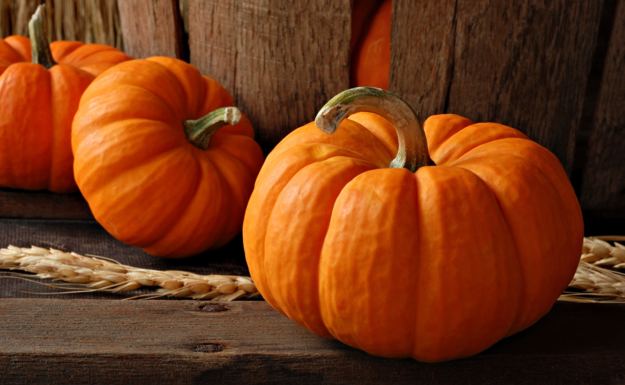
Picture 7

It’s a tasty trend. Pumpkin Spice branded lattes, cakes, and muffins are everywhere. I too am a fan of the flavor, but I wonder… how much pumpkin is the consumer actually getting in any of these products? And why does it matter? Because the real deal is a nutrient superstar.

Pure pumpkin boasts a bounty of nutrients. Vitamin A – great for your skin, eyesight, immunity, and tissue healing – is plentiful in this vegetable. Pumpkin is also a potent source of antioxidants, helping protect the body from the irritating effects of free radicals by neutralizing them. Pumpkins have a lot to offer us humans! But now for the sad news. Most of the commercially made food/drink products have minimal-to-no amounts of real pumpkin in them, but offer plenty of refined sugar and/or flour. Yea, bummer.

So, how can you treat your taste buds to that pumpkin flavour while retaining the nutrients & keeping calories in check? Get creative in the kitchen!

Here are 3 options:

Pumpkin Porridge Add a 1/4 cup pumpkin puree, 1/2 tsp of pumpkin pie spice or cinnamon, and 1/2 scoop of your favorite vanilla protein powder to cooked large-flake oatmeal (or a gluten-free grain such as quinoa). Add coconut milk to reach a desired consistency. If your taste buds don’t take to this lower sugar option, add a drizzle of pure maple syrup. Heavenly.

Pumpkin-Nut Spread Combine 2 parts pumpkin puree to 1 part nut-butter (cashew and almond butters work well here). Mix in pumpkin pie spice or cinnamon to taste, and a few sprinkles of sea salt. Use as a spread on toast or with fruit. Deelish with a drizzle of organic honey!

Potato & Pumpkin Mash Add 1/4 cup to 1/2 cup of pumpkin puree to your standby mashed potato recipe. I like a combo of russet potato, sweet potato, cauliflower, and pumpkin. Season with freshly pressed garlic, sea salt, and fresh ground pepper.

There you have it, folks. Go ahead and participate in the pumpkin-craze, knowing that you’re doing your body good.

Naturally yours.

Sarah Hawkins, R.H.N.