Hawkins Holistic

Naturally Yours

Tag: glutenfree

Facts about Fermented Foods
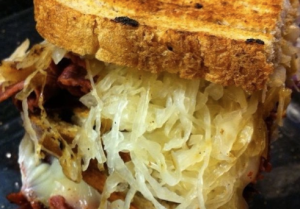
Can you get your daily serving of probiotics from this sandwhich?

You could get your daily serving of probiotics from this sandwich!

Does the term “fermented foods” leave you scratching your head?

Thanks to the growing popularity of the macrobiotic diet and seeing kombucha drinks lining grocery store shelves, you might have heard of fermented foods. I’m glad these foods are getting attention, but I believe there is a lot of unmet curiosity from the consumer side. People know fermented foods are good for them, but do they know why? I didn’t, and as a holistic nutritionist, I had a burning desire to understand.

What does it mean to be “fermented”? 

The cultivation of a fermented food/beverage is really more of an art than a science. A fermented food/beverage is one that has undergone fermentation, a careful & lengthy process in which food is exposed to bacteria (such as lactic acid) and yeasts, either via inoculation or naturally through the air. Beneficial microorganisms beat out the damaging ones, and eat up the carbohydrates in the food. The results are interesting flavors, textures, smells, and of course, that nutritional punch!

How can consuming fermented foods help me?

They are PACKED with probiotics – that good bacteria that lives in your gut. Yes, you can take probiotics as a supplement, and there are many wonderful ones on the market, but if I can get a hefty dose of naturally occurring beneficial bacteria from food, I’m all for it.

Fermented foods, while good for everyone, are of particular benefit to those who:

  • have a low immune system: frequent colds/flu, chronic fatigue, slow healing wounds, yeast/candida, recurrent illness
  • have taken antibiotics, long-term or short-term
  • experience depression, mood disorders, and/or difficulty regulating emotions
  • suffer from digestive distress such as indigestion, constipation, diarrhea, IBS
  • are undergoing a detox: fermented foods are excellent chelators, meaning their bacteria binds to free-floating toxins and heavy metals, excreting them through the proper channels of elimination (rather than circulating throughout the body)
  • have difficulty swallowing pills (making probiotic supplementation a non-starter)

What are the best sources of fermented food/beverage?

The top nutrition-wise sources are:

  • tempeh
  • kimchi
  • kombucha beverage (be mindful of the sugar content)
  • sauerkraut
  • miso
  • kefir
  • apple cider vinegar (with the mother)

At less than 2 grams of sugar per serving, GT’s Synergy Trilogy kombucha beverage is a top pick.

If you prefer to take your probiotics in supplement form but still want the benefits of fermentation, try Dr. Ohhira’s award-winning probiotic supplement. This potent probiotic is made from 92 fruits, vegetables, mushrooms & seaweed that are fermented over a 3 year process. Bonus: it’s shelf-stable (no need for refrigeration!). Learn more about Dr. Ohhira’s probiotic here.

These are the base facts about fermented foods. My interest in the subject is on-going, and I’ve made the decision to include fermented foods in my day-to-day diet.

For more info about the macrobiotic diet, go to the Kushi Institute website http://www.kushiinstitute.org.

Naturally yours!

Sarah Hawkins, R.H.N.

Going Gluten-Free: beyond the trend

BE WARNED: just cuz that cake is gluten-free does not mean it's healthy!

BE FOREWARNED: just because that cake is gluten-free, vegan, low-fat etc. does not mean it’s healthy!

When it comes to going gluten-free (GF), I recommend it for anyone who wants to live a healthy life full of vibrancy, energy & radiance (yes, you!). But for those suffering from serious or even minor health conditions, avoiding gluten is of particular importance, in fact, it can be a game changer.

Why is gluten so “bad”? Modern wheat is now incredibly over processed, and to our bodies, it’s a foreign substance. As such, our bodies react to it via body-wide inflammation and spiked blood sugar levels. It’s worth noting that inflammation is the predecessor to all disease.

Going gluten-free can relieve or correct the following conditions:

  • Chronic inflammation (arthritis, allergies, atherosclerosis)
  • Skin disorders (acne, eczema, psoriasis, rashes)
  • Digestive disturbances (constipation, gas, IBS)
  • Excess weight (especially around the abdomen)
  • Headaches and migraines
  • Fatigue and lethargy
  • Cognitive disorders (anxiety, depression, lack of concentration, mental fog)
  • Pain in general!

If you are experiencing any of the above, and wheat has been a mainstay in your diet, I recommend omitting gluten from your diet for 2 weeks to see if your symptoms improve.

The following grains are naturally gluten-free (i.e. safe to eat on a GF diet):

  • Millet
  • Quinoa
  • Rice (brown, white, wild)
  • Amaranth
  • Buckwheat
  • Sorghum
  • Teff
  • Oats labeled GF (although oats do not naturally contain gluten, they are frequently contaminated with gluten because they are processed at mills that also handle wheat; avoid them unless they come with a guarantee that they are gluten-free)

Omit:

  • Wheat
  • Wheat germ
  • Rye
  • Barley
  • Bulgur
  • Couscous
  • Farina
  • Graham flour
  • Kamut Matzo
  • Semolina
  • Spelt
  • Triticale

Gluten is sneaky! Watch out for breaded foods (e.g. tempura, some french fries), soy sauce, and beer, unless declared GF!

Some great gluten-free products are:

  • Bob’s Red Mill Gluten Free oats
  • Bob’s Red Mill Gluten Free muesli
  • Trader Joe’s Gluten Free oats
  • Glutenull bread products
  • Tinkyada rice pasta
  • Explore Asian bean pasta (bonus: it’s high in vegetarian protein)
  • Food Should Taste Good crackers
  • Bragg Liquid Aminos (use this in place of soy sauce)

And if you have a sweet tooth, Betty Crocker makes a great GF cake mix!

Going gluten-free, while it requires some initial adjustment, is absolutely doable. If you need guidance, support and advice as you undergo dietary & lifestyle changes, contact me at hawkinsholistic@gmail.com.

Naturally yours,

Sarah Hawkins, RHN

Mother’s Day: let there be cake!

photo

I love my Mom, and with today being Mother’s Day, she deserved something extra special! As such I made her this gluten-free chocolate cake (it’s made with quinoa!). It’s OH so moist and freezes really well (should we not get through it in the next 3 days… yea right).

Get the original tried-and-true recipe from the ladies behind Quinoa 365 here: http://patriciaandcarolyn.com/the-original-quinoa-chocolate-cake/

I layer Smucker’s No Sugar Added raspberry jam in the middle, and today I topped it off with vanilla frosting. A simple dusting of icing sugar, done right before serving, also adds a nice touch.

Please note that although it’s gluten-free and made with quinoa, I’m not claiming this cake to be healthy! There is a lot of sugar and fat in this cake, so enjoy in moderation! And remember, a holistic lifestyle embodies nutritional awareness and a balanced approach to food.

Naturally yours ♥

Sarah Hawkins, R.H.N.

Saucily Satisfied

photo 3

Yes, I’m one of thousands on a ‘cleanse’ or ‘detox program’ as we enter the new year. I’ve chosen the Canadian born Wild Rose Herbal D-Tox, meaning no sugar/gluten/tropical fruits/dairy/alcohol for 12 days, while taking herbal supplements and tinctures that support detoxification. I was not thrilled about giving up wine and sweets, but I LOVE an incentive to get creative in the kitchen.

Enter: homemade sauces, dressings and dips. They are the saving grace of this detox. See my three, holistic-nutritionist-approved favorites below! All recipes are vegan & gluten-free, and are great for everyday (not just when you’re trying to be healthy!).

DAIRY-FREE PESTO *adapted from fellow R.H.N. Julie Daniluk

  • 2 cups of fresh basil
  • 3/4 cup extra virgin olive oil
  • 1/2 cup sunflower seeds
  • 4-6 garlic cloves
  • 1 tbsp nutritional yeast
  • 1/2 tsp of salt
  • 1 tbsp freshly squeezed lemon juice

Combine all ingredients in a food processor, and mix until smooth.

Meal Idea: This is AWESOME served atop organic bean pasta (great product). Garnish the dish with shredded raw beet and carrot.

HUMMUS DIP * adapted from OhSheGlows.com

  • 2 cups cooked chickpeas
  • 1 tsp salt
  • 2-3 garlic cloves
  • 1/3 cup tahini
  • 7-8 tbsp freshly squeezed lemon juice
  • 2 tbsp of water or low sodium vegetable broth
  • Garlic & Chili Flax Oil, for drizzling
  • turmeric for garnish (why? this spice, which gives curry its yellow colour, is a potent anti-inflammatory – use it however you can!)

Place all ingredients into a food processor and process until the hummus is smooth. If you use unsalted chickpeas, you may need more salt. Garnish with turmeric and drizzle of garlic chili flax oil.

Tip: use hummus as a sandwich spread in place of mayonnaise.

RANCH DRESSING *adapted from RunningOnRealFood.com

  • 1/4 cup tahini
  • 1/4 cup freshly squeezed lemon juice
  • 1 tbsp apple cider vinegar
  • 2 tbsp olive oil
  • 1 tbsp nutritional yeast
  • 1 tsp sea salt
  • 3 garlic cloves
  • 1/2 tsp onion powder
  • 1/2 tsp dried basil
  • 1/2 tsp dried parsley
  • 1/4 cup water or low sodium vegetable broth

Place all ingredients, except water, into a food processor or blender and mix until smooth.

Add water/vegetable broth slowly to reach desired thickness.

Tip: Having seafood? Swap out the basil for 2 tsp of dried dill. This version is great mixed with canned tuna or drizzled on salmon.

There you have it! These 3 delicious recipes are super easy to modify, and hey, I hardly miss the wine and Coconut Bliss with these around 😉

Enjoy!

Naturally yours.

Sarah Hawkins, R.H.N.

Tis the Season of Sweet

Picture 2

Yes, I really make these.

I love Christmas baking! I take great pleasure in creating the festive morsels, gifting them to friends & family, and eating them (obviously). For some people, it’s very true that once you stoke that sweet-tooth with white sugar, it’s hard to break free of its death grip.

Sugar addiction is a real thing. Consumption of it releases the brains feel-good neurotransmitter dopamine, but it’s a high that’s quick to fade, and much like hard drugs, it leaves the “user” craving more. Sugar, a leading contributor to countless serious health conditions, is commonly referred to as the “white devil” for good reason.

Alas, you need not be a slave to the sweet tooth! Try my Fruit & Nut Dip as an alternative when the occasional holiday indulging has verged on gorging, and perhaps the candy-cane cookies and nanaimo bars will stick around a little longer this season 😉

Fruit & Nut Dip (Gluten-Free, Vegan)

~ 1 small-medium gala apple (or honeycrisp apple)
~ 1 tbsp natural nut or seed butter
~ 1 tbsp organic raisins
~ ½ tbsp organic ground flaxseed
~ Sprinkle of cinnamon
~ Drizzle of agave or maple syrup

Directions: Cut apple into slices. Arrange in small bowl, leaving a space in the center for nut-butter dip. Sprinkle apples with cinnamon. Place nut-butter into center space and top with ground flaxseed and raisins. Lightly drizzle agave/maple syrup over the nut dip. The apple slices are your edible utensils. 🙂

I often enjoy this for dessert and it really satisfies my sweet tooth. And while white sugar depletes the body of nutrients, this sweet snack delivers fiber, protein, omega-3 fatty acids, vitamins & minerals. Consider it a gift to yourself!

Naturally yours.

Sarah Hawkins, R.H.N.

Pumpkin Perfection

Picture 7

It’s a tasty trend. Pumpkin Spice branded lattes, cakes, and muffins are everywhere. I too am a fan of the flavor, but I wonder… how much pumpkin is the consumer actually getting in any of these products? And why does it matter? Because the real deal is a nutrient superstar.

Pure pumpkin boasts a bounty of nutrients. Vitamin A – great for your skin, eyesight, immunity, and tissue healing – is plentiful in this vegetable. Pumpkin is also a potent source of antioxidants, helping protect the body from the irritating effects of free radicals by neutralizing them. Pumpkins have a lot to offer us humans! But now for the sad news. Most of the commercially made food/drink products have minimal-to-no amounts of real pumpkin in them, but offer plenty of refined sugar and/or flour. Yea, bummer.

So, how can you treat your taste buds to that pumpkin flavour while retaining the nutrients & keeping calories in check? Get creative in the kitchen!

Here are 3 options:

Pumpkin Porridge Add a 1/4 cup pumpkin puree, 1/2 tsp of pumpkin pie spice or cinnamon, and 1/2 scoop of your favorite vanilla protein powder to cooked large-flake oatmeal (or a gluten-free grain such as quinoa). Add coconut milk to reach a desired consistency. If your taste buds don’t take to this lower sugar option, add a drizzle of pure maple syrup. Heavenly.

Pumpkin-Nut Spread Combine 2 parts pumpkin puree to 1 part nut-butter (cashew and almond butters work well here). Mix in pumpkin pie spice or cinnamon to taste, and a few sprinkles of sea salt. Use as a spread on toast or with fruit. Deelish with a drizzle of organic honey!

Potato & Pumpkin Mash Add 1/4 cup to 1/2 cup of pumpkin puree to your standby mashed potato recipe. I like a combo of russet potato, sweet potato, cauliflower, and pumpkin. Season with freshly pressed garlic, sea salt, and fresh ground pepper.

There you have it, folks. Go ahead and participate in the pumpkin-craze, knowing that you’re doing your body good.

Naturally yours.

Sarah Hawkins, R.H.N.


Thankful to Know Thy Body

Picture 8

Getting tested for food sensitivities can both open and close doors. I finally decided to do the test to learn if avoiding my “prime suspects” (gluten, dairy, and nightshades) was all for nil. Was my body truly reactive to these foods or was it all in my mind? I wanted hard evidence.

I went to my naturopath, Dr. Leila Sahabi, to administer the test. All that was required of me was a sample of blood. No fasting. No special requirements. A few weeks later the results were in!

Nightshades (e.g. tomatoes, potatoes, peppers) were in the clear, however, I still eat them mindfully because these foods have stimulating properties. I register a moderate dairy and wheat intolerance (ah ha!), but my highest reaction was to EGGS, BANANAS and SUGAR CANE! I eat eggs and bananas regularly, so my mind was blown (and saddened). But omitting sugar cane – the birthplace of its refined white granulated counterpart? No problem…I thought. As it turns out, most of the packaged health foods I eat frequently list cane sugar (or some derivative of) as a primary ingredient. In the trash went my not-so-cheap goodies.

It would be easy to get discouraged – knowing that homemade banana bread and scrambled eggs are a thing of the past – but I am so grateful to be armed with this new knowledge! I never suspected eggs, bananas, or sugar cane to pose a significant threat to my physical health and state of well-being. So, if you are considering doing a food sensitivity test, I highly recommend it. Maybe the proof-on-paper results will silence the people that can’t comprehend why you don’t sample the cheese log & crackers at your next family holiday dinner. 😉

Check out this recipe that I’m making for tonights Thanksgiving dessert. It meets all of my dietary & sweet-tooth needs. I hope it’s a crowd-pleaser!

Happy Thanksgiving!

Sarah Hawkins, R.H.N.

*What is the difference between food allergy and food sensitivity? An allergic reaction involves the immune system, affects numerous organs in the body, and can be severe or life threatening. A sensitivity/intolerance is a toxic response to food that does not involve the immune system, is generally less serious, and usually involves the digestive system. Source: Mayo Clinic

Eat this to build Emotional Resilience

Picture 5

Meat.

Why? Amino acids.

What are amino acids? They are concentrates of common proteins found in high-protein animal foods such as chicken, beef, fish, eggs and cheese. Amino acids provide very important emotional-fuel for your brain because they feed the four emotion generating neurotransmitters: serotonin, catecholamines, GABA, and endorphins.

Low in serotonin? Maybe you feel depressed, anxious, and have obsessive repetitive thoughts.

Low in catecholamines? Perhaps you feel “blah” and can’t get excited about anything. You’re flat, bored, apathetic and you sleep a lot.

Low in GABA? Maybe you feel overworked, pressured and overwhelmed by stress. You might use tobacco, alcohol, food or drugs to relax and calm down.

Low in endorphins? Perhaps you are considered to be very sensitive, and you find it hard to get over losses and deal with painful issues. You crave pleasure and comfort from numbing substances.

These are just some of the common symptoms of mood disorders. The good news is that a few special amino acids can effectively reverse all four of the brain deficiencies that cause false moods (internal suffering for no justifiable reason). These supplements are widely found over-the-counter and they correct mood imbalances naturally.

Another option, if you’re looking to tune-up brain health, is it to eat more meat! See below for dietary recommendations.

Note: vegetarian protein sources (e.g. beans, soy) are deficient in the oh-so-important amino acids, so if you are a vegetarian/vegan, please make sure you’re getting the right supplements and protein requirements to keep your brain happy, healthy, and strong. I wish I had known this last year when I tried the vegan diet and saw my own mood plummet. Knowledge is power!

Dietary Recommendations for Optimal Emotional Regulation

EAT

  • Protein: eat 20 to 30 grams of animal protein 3X per day
  • Fat: butter, extra virgin olive oil, coconut oil
  • Vegetables: 4-5 cups per day
  • Fruit: 2-4 raw fruits per day, before meals or as a between-meal snack
  • Regularly! Under eating is a leading cause of depression and terrible moods (hangry, anyone?)

AVOID

  • Sugar
  • White-flour starches
  • Wheat (and rye, oats, and barley)
  • Vegetable oil and the margarine and shortening made from it (corn, soy, canola, safflower, sunflower, peanut, sesame, wheatgerm, cottonseed, walnut)
  • Soy
  • Excess caffeine (1-2 cups of coffee per day max)
  • Common allergen foods such as wheat, dairy, soy and the nightshade family (I highly recommend getting a food sensitivity test done via your naturopathic doctor)

If your moods have been plummeting and you suspect an amino acid deficiency, I highly recommend reading Julia Ross’ book The Mood Cure. If you require additional assistance, book an appointment with your holistic nutritionist or naturopathic doctor.

Naturally yours.

Sarah Hawkins, R.H.N.

Recipe: Chocolate-Banana Pudding (V/GF)

Picture 10

Results may not appear as shown. Expect chocolatey goodness nonetheless.


Oh yes. A decadent dessert that your mind & body can feel good about eating!

I have a somewhat insatiable sweet tooth, yet it was certainly pleased with today’s concoction. The fact that it’s vegan, raw, and gluten-free is just the icing on the cake (come to think of it, if I left it a bit thicker this could potentially be used as cake icing…hmmm…challenge accepted, self!).

Chocolate-Banana Pudding

  • 1 large ripe banana (very spotted peel with some yellow still peeking through)
  • 1 ripe avocado (indents when pressed)
  • 1/4 cup Dutch-process cocoa powder (alkalized)
  • 1/4 cup coconut palm sugar
  • 2 tbsp coconut milk
  • 1 tbsp maca powder (ancient superfood)
  • 1 tbsp chia seeds (for a bit of texture and added nutrition!)
  • 1/2 tsp pure vanilla extract
  • Dash of sea salt

Combine all ingredients in a food processor or high-functioning blender and puree until a desired consistency is reached. Cover and refrigerate for 1 hour before serving. Serves 4.

I topped my pudding with organic peanuts for a bit of added crunch (and decadence!). Berries would go very well, too. ♥

Naturally yours.

Nutritional info per serving: 215 calories, 9.6 g fat, 52.2 mg sodium, 37.4 g carbohydrate, 8.2 g dietary fiber, 5.1 g sugar, 5.3 g protein.