Hawkins Holistic

Naturally Yours

Tag: natural

Facts about Fermented Foods

Can you get your daily serving of probiotics from this sandwhich?

You could get your daily serving of probiotics from this sandwich!

Does the term “fermented foods” leave you scratching your head?

Thanks to the growing popularity of the macrobiotic diet and seeing kombucha drinks lining grocery store shelves, you might have heard of fermented foods. I’m glad these foods are getting attention, but I believe there is a lot of unmet curiosity from the consumer side. People know fermented foods are good for them, but do they know why? I didn’t, and as a holistic nutritionist, I had a burning desire to understand.

What does it mean to be “fermented”? 

The cultivation of a fermented food/beverage is really more of an art than a science. A fermented food/beverage is one that has undergone fermentation, a careful & lengthy process in which food is exposed to bacteria (such as lactic acid) and yeasts, either via inoculation or naturally through the air. Beneficial microorganisms beat out the damaging ones, and eat up the carbohydrates in the food. The results are interesting flavors, textures, smells, and of course, that nutritional punch!

How can consuming fermented foods help me?

They are PACKED with probiotics – that good bacteria that lives in your gut. Yes, you can take probiotics as a supplement, and there are many wonderful ones on the market, but if I can get a hefty dose of naturally occurring beneficial bacteria from food, I’m all for it.

Fermented foods, while good for everyone, are of particular benefit to those who:

  • have a low immune system: frequent colds/flu, chronic fatigue, slow healing wounds, yeast/candida, recurrent illness
  • have taken antibiotics, long-term or short-term
  • experience depression, mood disorders, and/or difficulty regulating emotions
  • suffer from digestive distress such as indigestion, constipation, diarrhea, IBS
  • are undergoing a detox: fermented foods are excellent chelators, meaning their bacteria binds to free-floating toxins and heavy metals, excreting them through the proper channels of elimination (rather than circulating throughout the body)
  • have difficulty swallowing pills (making probiotic supplementation a non-starter)

What are the best sources of fermented food/beverage?

The top nutrition-wise sources are:

  • tempeh
  • kimchi
  • kombucha beverage (be mindful of the sugar content)
  • sauerkraut
  • miso
  • kefir
  • apple cider vinegar (with the mother)

At less than 2 grams of sugar per serving, GT’s Synergy Trilogy kombucha beverage is a top pick.

If you prefer to take your probiotics in supplement form but still want the benefits of fermentation, try Dr. Ohhira’s award-winning probiotic supplement. This potent probiotic is made from 92 fruits, vegetables, mushrooms & seaweed that are fermented over a 3 year process. Bonus: it’s shelf-stable (no need for refrigeration!). Learn more about Dr. Ohhira’s probiotic here.

These are the base facts about fermented foods. My interest in the subject is on-going, and I’ve made the decision to include fermented foods in my day-to-day diet.

For more info about the macrobiotic diet, go to the Kushi Institute website http://www.kushiinstitute.org.

Naturally yours!

Sarah Hawkins, R.H.N.
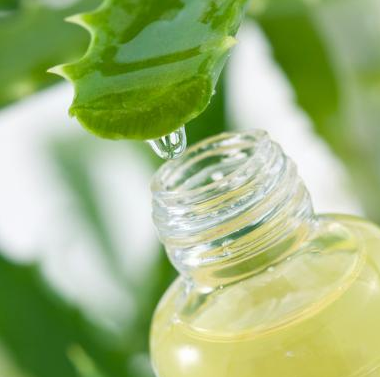
Aloe Vera Juice: to drink or not to drink?

Picture 8

As a holistic nutritionist, I spend a lot of time in health food and supplement stores (*heaven*). I’ve seen aloe vera juice in the aisles and always wondered about it. If it’s so good for healing & nourishment when applied topically, can it heal our insides in the same way? Is aloe vera juice the internal healing supplement that some claim it is? After conducting some research on the topic, I found that the answer is not so cut & dried.

Here are some common questions about aloe vera juice:

  • Does it taste good?
    • The undiluted, pure juice is bitter. Think of it like taking a shot of hard alcohol. Without the buzz.
  • Is it safe to drink?
    • If you were hoping for a clear answer, unfortunately I cannot provide one. In fact, the issue is quite controversial and the research is ongoing. The FDA has not deemed this product safe for human consumption. Most alarming is that one part of the leaf contains the carcinogen aloin, and when non-decolorized whole-leaf extract of aloe vera juice was given to rats, it caused tumors to develop in the large intestine. Yes this is unsettling (poor rats!!) but this effect has not been seen in humans. And there is a way to avoid alion: buy decolorized juice made from the inner leaf; it is void of alion. Also, if you are taking other medications, it’s a good idea to check with your doctor about possible drug interactions.
  • What’s the consistency?
    • It’s like that of any juice, and not at all the same consistency as the aloe vera gel we apply topically. Totally different product.
  • How important is it that I drink organic aloe vera juice?
    • Always choose organically produced and manufactured aloe vera juice. The safety of the product is already in question so if you choose to consume it, best go with the pure, uncontaminated product that hasn’t been sprayed with chemicals or grown in a GMO environment.
  • Are there are known side-effects?
    • Aloe vera juice may be laxative in nature, causing diarrhea.
  • What are the health benefits?
    • As it is laxative in nature, it can be helpful for constipation relief. It’s also said to be effective for diabetes (improving blood sugar levels) and heart disease (reduction in total cholesterol levels, while HDL, the “good cholesterol”, increased). As with the topical version, aloe vera juice has anti-inflammatory and antioxidant effects. According to the Ayurvedic tradition, aloe vera juice is cooling to the liver and gallbladder (good for those with a Pitta dosha.. find your dosha here http://doshaquiz.chopra.com/).
  • How much should I drink?
    • Follow the recommendations on the bottle, but I do not think it’s necessary to consume the pure product daily for benefits.

I hope this article provided you with some consumer knowledge about aloe vera juice. If you have any further questions, I’d be happy to answer them! Contact me at hawkinsholistic@gmail.com.

Naturally yours.

Sarah Hawkins, R.H.N.

Going Gluten-Free: beyond the trend

BE WARNED: just cuz that cake is gluten-free does not mean it's healthy!

BE FOREWARNED: just because that cake is gluten-free, vegan, low-fat etc. does not mean it’s healthy!

When it comes to going gluten-free (GF), I recommend it for anyone who wants to live a healthy life full of vibrancy, energy & radiance (yes, you!). But for those suffering from serious or even minor health conditions, avoiding gluten is of particular importance, in fact, it can be a game changer.

Why is gluten so “bad”? Modern wheat is now incredibly over processed, and to our bodies, it’s a foreign substance. As such, our bodies react to it via body-wide inflammation and spiked blood sugar levels. It’s worth noting that inflammation is the predecessor to all disease.

Going gluten-free can relieve or correct the following conditions:

  • Chronic inflammation (arthritis, allergies, atherosclerosis)
  • Skin disorders (acne, eczema, psoriasis, rashes)
  • Digestive disturbances (constipation, gas, IBS)
  • Excess weight (especially around the abdomen)
  • Headaches and migraines
  • Fatigue and lethargy
  • Cognitive disorders (anxiety, depression, lack of concentration, mental fog)
  • Pain in general!

If you are experiencing any of the above, and wheat has been a mainstay in your diet, I recommend omitting gluten from your diet for 2 weeks to see if your symptoms improve.

The following grains are naturally gluten-free (i.e. safe to eat on a GF diet):

  • Millet
  • Quinoa
  • Rice (brown, white, wild)
  • Amaranth
  • Buckwheat
  • Sorghum
  • Teff
  • Oats labeled GF (although oats do not naturally contain gluten, they are frequently contaminated with gluten because they are processed at mills that also handle wheat; avoid them unless they come with a guarantee that they are gluten-free)

Omit:

  • Wheat
  • Wheat germ
  • Rye
  • Barley
  • Bulgur
  • Couscous
  • Farina
  • Graham flour
  • Kamut Matzo
  • Semolina
  • Spelt
  • Triticale

Gluten is sneaky! Watch out for breaded foods (e.g. tempura, some french fries), soy sauce, and beer, unless declared GF!

Some great gluten-free products are:

  • Bob’s Red Mill Gluten Free oats
  • Bob’s Red Mill Gluten Free muesli
  • Trader Joe’s Gluten Free oats
  • Glutenull bread products
  • Tinkyada rice pasta
  • Explore Asian bean pasta (bonus: it’s high in vegetarian protein)
  • Food Should Taste Good crackers
  • Bragg Liquid Aminos (use this in place of soy sauce)

And if you have a sweet tooth, Betty Crocker makes a great GF cake mix!

Going gluten-free, while it requires some initial adjustment, is absolutely doable. If you need guidance, support and advice as you undergo dietary & lifestyle changes, contact me at hawkinsholistic@gmail.com.

Naturally yours,

Sarah Hawkins, RHN

Five Easy Ways to ‘Be Present’ Now

And you’re currently using one of them…

I’m talking about the senses: sight, smell, sound, taste, and touch. Consciously tapping in to one or more of your senses immediately brings you into the present moment. Best of all, it can be done anywhere, however covertly or candidly you choose. How practical!

Why does “being present” matter so much? It puts the ixnay on past or future focused thinking, and allows us to do one thing really well (rather than 10 things at 10% – multi-tasking!).

I’d like to get your wheels turning for a moment. Try to recall the times in your life that you’ve been truly present. Perhaps you are looking at a beautiful landscape, listening to a moving song, or tasting an exquisite entrée. Or maybe it’s cuddles with your beloved pet or smelling the aroma of freshly blossomed spring flowers. For most of us, these moments happen as they happen, without striving to make it so. But it’s moments like these when our stressors and anxieties seem to fade away. So, why not choose to have more of these experiences?

photo

A special place where I go to “take it all in.”

Now that you’re game to try this out (I hope!), I’ll share the key to making it work: you must make a conscious effort to note to yourself what it is that you are seeing, smelling, tasting, hearing, and/or touching at this very moment. And guess what, you don’t have to like “it” (although it would be nice).

My call of action to you: next time your brain is taking Stress St. or going down Anxiety Ave, or you simply want to really relish an experience, remember that you have the option to immediately ground yourself by taking a deep breath, and choosing to harness the power of your senses. This will help align your body & mind, and bring you into the present moment.

Naturally yours ♥

Sarah Hawkins, R.H.N.


Yogi Granola: a recipe

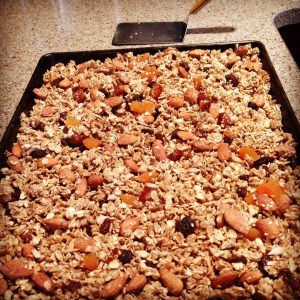
photo

No, I’m not being ironic or “cute” when I say ‘Yogi Granola‘. It’s the real deal. Everyday at the ashram the hundreds of yogis were served home-baked granola at brunch. It was by far my favourite sweet treat at the ashram. So, when I returned home I went into granola withdrawal. Store bought granola has always been a sore spot for me (too much sugar, or so little quantity of the good stuff for a lot of $). Alas, the Sivananda organization has freely shared a recipe for their granola. I tried it out and I am one happy camper (although I’m no longer actually camping..sad face).

Here is the recipe, with a few tweaks a la Hawkins Holistic (I found this recipe wasn’t sweet enough, and didn’t need the amount of wheat as originally called for).

YOGI GRANOLA

  • 1/2 cup maple syrup
  • 1/3 cup agave syrup
  • 1/2 cup hot water
  • 1 tsp vanilla extract
  • 5 cups rolled oats (I use Bob’s Red Mill large flake, GF)
  • 5 tbsp wheat bran
  • 5 tbsp wheat germ
  • 2 tbsp ground flax
  • 3/4 cup almonds
  • 1 cup sunflower seeds
  • 1/3 cup sesame seeds
  • 2 tsp ground cinnamon
  • 1/2 cup golden raisins or raisins
  • 1/3 cup chopped dates or other dried fruits (I used dried apricots)

~ Heat the oven to 250F. Combine the maple syrup, agave, hot water, and vanilla extract.

~ Mix the grains, nuts, seeds and cinnamon in a large mixing bowl. Stir in the maple syrup solution and mix thoroughly. Spread out the mixture on a lightly greased baking sheet and bake in the oven for 45-55mins, stirring three or four times to prevent it from burning. The granola is ready when it is light brown.

~ Mix the granola with the dried fruit while still warm, breaking up the larger chunks as you do so.

~ Leave to cool and then store in air-tight containers.

Serve granola with almond milk as a healthy breakfast or snack, or sprinkle some granola atop your favourite dairy-free ice cream for a decadent dessert!

Naturally yours.

Saucily Satisfied

photo 3

Yes, I’m one of thousands on a ‘cleanse’ or ‘detox program’ as we enter the new year. I’ve chosen the Canadian born Wild Rose Herbal D-Tox, meaning no sugar/gluten/tropical fruits/dairy/alcohol for 12 days, while taking herbal supplements and tinctures that support detoxification. I was not thrilled about giving up wine and sweets, but I LOVE an incentive to get creative in the kitchen.

Enter: homemade sauces, dressings and dips. They are the saving grace of this detox. See my three, holistic-nutritionist-approved favorites below! All recipes are vegan & gluten-free, and are great for everyday (not just when you’re trying to be healthy!).

DAIRY-FREE PESTO *adapted from fellow R.H.N. Julie Daniluk

  • 2 cups of fresh basil
  • 3/4 cup extra virgin olive oil
  • 1/2 cup sunflower seeds
  • 4-6 garlic cloves
  • 1 tbsp nutritional yeast
  • 1/2 tsp of salt
  • 1 tbsp freshly squeezed lemon juice

Combine all ingredients in a food processor, and mix until smooth.

Meal Idea: This is AWESOME served atop organic bean pasta (great product). Garnish the dish with shredded raw beet and carrot.

HUMMUS DIP * adapted from OhSheGlows.com

  • 2 cups cooked chickpeas
  • 1 tsp salt
  • 2-3 garlic cloves
  • 1/3 cup tahini
  • 7-8 tbsp freshly squeezed lemon juice
  • 2 tbsp of water or low sodium vegetable broth
  • Garlic & Chili Flax Oil, for drizzling
  • turmeric for garnish (why? this spice, which gives curry its yellow colour, is a potent anti-inflammatory – use it however you can!)

Place all ingredients into a food processor and process until the hummus is smooth. If you use unsalted chickpeas, you may need more salt. Garnish with turmeric and drizzle of garlic chili flax oil.

Tip: use hummus as a sandwich spread in place of mayonnaise.

RANCH DRESSING *adapted from RunningOnRealFood.com

  • 1/4 cup tahini
  • 1/4 cup freshly squeezed lemon juice
  • 1 tbsp apple cider vinegar
  • 2 tbsp olive oil
  • 1 tbsp nutritional yeast
  • 1 tsp sea salt
  • 3 garlic cloves
  • 1/2 tsp onion powder
  • 1/2 tsp dried basil
  • 1/2 tsp dried parsley
  • 1/4 cup water or low sodium vegetable broth

Place all ingredients, except water, into a food processor or blender and mix until smooth.

Add water/vegetable broth slowly to reach desired thickness.

Tip: Having seafood? Swap out the basil for 2 tsp of dried dill. This version is great mixed with canned tuna or drizzled on salmon.

There you have it! These 3 delicious recipes are super easy to modify, and hey, I hardly miss the wine and Coconut Bliss with these around 😉

Enjoy!

Naturally yours.

Sarah Hawkins, R.H.N.

Tis the Season of Sweet

Picture 2

Yes, I really make these.

I love Christmas baking! I take great pleasure in creating the festive morsels, gifting them to friends & family, and eating them (obviously). For some people, it’s very true that once you stoke that sweet-tooth with white sugar, it’s hard to break free of its death grip.

Sugar addiction is a real thing. Consumption of it releases the brains feel-good neurotransmitter dopamine, but it’s a high that’s quick to fade, and much like hard drugs, it leaves the “user” craving more. Sugar, a leading contributor to countless serious health conditions, is commonly referred to as the “white devil” for good reason.

Alas, you need not be a slave to the sweet tooth! Try my Fruit & Nut Dip as an alternative when the occasional holiday indulging has verged on gorging, and perhaps the candy-cane cookies and nanaimo bars will stick around a little longer this season 😉

Fruit & Nut Dip (Gluten-Free, Vegan)

~ 1 small-medium gala apple (or honeycrisp apple)
~ 1 tbsp natural nut or seed butter
~ 1 tbsp organic raisins
~ ½ tbsp organic ground flaxseed
~ Sprinkle of cinnamon
~ Drizzle of agave or maple syrup

Directions: Cut apple into slices. Arrange in small bowl, leaving a space in the center for nut-butter dip. Sprinkle apples with cinnamon. Place nut-butter into center space and top with ground flaxseed and raisins. Lightly drizzle agave/maple syrup over the nut dip. The apple slices are your edible utensils. 🙂

I often enjoy this for dessert and it really satisfies my sweet tooth. And while white sugar depletes the body of nutrients, this sweet snack delivers fiber, protein, omega-3 fatty acids, vitamins & minerals. Consider it a gift to yourself!

Naturally yours.

Sarah Hawkins, R.H.N.

Why Choose Organic Wines?

photo

Lately I’ve been all about organic wine, thanks in part to BC Liquor Stores – they now carry a wide selection of organic wines and label their place on the shelf with a distinctive “Organic” tag so they’re easy to locate while perusing the aisles (thanks!). But I’ve been wondering; what’s behind this organic certification? And how, exactly, is choosing an organic vino better for my health & the environment?

I did some research into organic viniculture, and contemplated the findings. Here’s some key facts.

Organic wine is made from organically grown grapes, and therefore is void of toxic pesticides, herbicides, synthetic fertilizers and GMOs – just like any certified organic product. If that’s not reason enough, sulphites – a common food allergen widely found in conventional wines to preserve its shelf life – are not added during the winemaking process. Let it be known that an organic wine is quicker to spoil because of the lack of this taste-saving preservative. If you don’t plan on polishing off the bottle in one go, store it in the fridge to maintain freshness for evenings to come.

Grapes are one the largest – if not THE largest – fruit crop on earth. Consider all of those acres of soil, agriculture and grapes that are being treated with dignity and respect thanks to rigorous organic farming practices and regulations. Plant a tree: save the forest? Buy organic wine: save the grapevine?

Now that I’ve successfully convinced you to try organic wine, here’s some buying tips.

If the bottle bears the Organic label and the country of origins organic seal, it must be made from organically grown grapes and cannot have any added sulphites. It may have naturally occurring sulphites, but the total sulphite level must be less than 20 parts per million. If the bottle says, “Made with Organic Grapes” or “Made with Organically Grown Grapes”, this wine must be made from organic grapes BUT it can include added sulphites.

Because I love wine and respect my body and the earth, I will continue to choose organic when I can because it means less harm to the environment and less toxicity in my body. Thankfully the organic certification doesn’t have to mean costly! My trusted brand of organic wine is the Chilean Cono Sur. It has as a price point of around $15 CAD and their wineries produce a Cabernet Sauvignon, Pinot Noir, Chardonnay, and Sauvignon Blanc. The taste will not disappoint!

Happy sipping 🙂

Naturally yours.

Sarah Hawkins, R.H.N.


A Guide to Herbal Teas

Picture 7

There are so many wonderful, nourishing herbal teas on the market, and it can be overwhelming to navigate through the plethora of options. I’d love to help you!

First off, I’ll share a bit about my new-found love & respect for herbal teas.

I love coffee. I crave the taste and the accompanying pick-up. If I’m staying overnight at your place I will definitely be asking about the morning’s coffee plan! Alas, too much of this good thing is a bad thing for this girl – and anyone for that matter. But it’s especially the anxiety prone individual that will benefit from limiting coffee intake to a maximum of 2 cups a day (e.g. one tall coffee at Starbucks). I love to sip something all day, and water can become a bit blasé. I like a little “added benefit” to my beverages. Enter herbal teas.

Whether you’re looking for a relaxant, an energy boost, a sleep inducer or mood enhancer, herbal teas can fit the bill.

Are you anxious or restless?
Try: LINDEN, CHAMOMILE
Why: Linden has been used for centuries to treat anxiety. It shifts the autonomic nervous system into the “rest and digest” parasympathetic nervous system where anxiety cannot exist. Linden tea exerts a soothing effect on the body, calming nerves and heart rate. Chamomile is a gentle and sweet-smelling herb that is calming to the body and helpful with irritations of all kinds. For those reasons it has made its way into many households worldwide. Chamomile alone is not a strong sleep aid, making it suitable for day time consumption (unless you’re unusually drowsy!).

Are you having troubles sleeping?
Try: LEMON BALM, VALERIAN, PASSIONFLOWER
Why: Valerian root is a tonic-type herb that calms the nervous system in times of anxiety and stress. It is commonly used to treat insomnia, comparing favourably in effectiveness to prescription drugs! Lemon balm‘s calming effects make it a great tea for addressing sleep problems, especially if the troubles are associated with a racing mind and restlessness. The passionflower plant contains chemicals that have calming, sleep inducing, and muscle spasm relieving effects. You’ll likely find passionflower included in a tea along with other plants/herbs, as opposed to solo.

Are you hitting that afternoon slump?
Try: ROOIBOS, LEMON GINGER, GREEN TEA
Why: Rooibos is chock-full of powerful antioxidants, giving you a healthy energy boost sans caffeine. It’s also known to improve circulation so perhaps partake in some light stretching along with your cup. Lemon ginger tea will perk up your taste buds, warm your stomach, and the scent is invigorating. One cup of green tea offers a small dose of caffeine (35 mg) which can induce a pleasant physical alertness (not shakiness!) while also inviting mental clarity (not brain overdrive!). Just keep it to one cup to stave off caffeine’s negative effects.

Are you looking for some internal cleansing?
Try: DANDELION ROOT, BURDOCK ROOT, MILK THISTLE
Why: Dandelion root is a mild laxative and diuretic that supports liver and kidney function (our two main detoxifying organs).  Burdock root is known for its effectiveness in cleansing the blood and supporting the liver. It’s often recommended by naturopaths, herbalists and holistic nutritionists in the treatment of acne/blemishes because of this action. Milk thistle detoxifies, protects, and heals the liver, making it a good choice for those of us who often imbibe in alcohol or use pain killers. Most detox teas on the market will highlight one or more of these key cleansing herbs.

Are you looking for a mood enhancer?
Try: HOLY BASIL
Why: Holy basil, aka “Tulsi” or “The Incomparable one” (!), has recently gained popularity in North America yet has been grown in India for more than 3,000 years, where it is considered sacred. Holy basil is an adaptogen, meaning it enhances the body’s natural healing response to physical and emotional stress. Adaptogenic herbs do not alter mood, but rather, they help the body function optimally during times of stress. Many of us are unknowingly walking around with depleted levels of stress-managing chemicals, and this results in the experience of chronic stress. If left unattended to, this can grow in to a more serious mood disorder. If you have a mood disorder or regularly experience high-stress situations, I recommend adding holy basil tea to your daily self-care regimen.

Many of the herbs mentioned above are described as the “base herb” of a tea, and 2 or more herbs may be combined by the producer for maximum medicinal effect (e.g. a night-time blend or detox blend). Flavour is important too, and while many teas taste great as they are, you’ll likely come across fruit or dessert flavouring added to teas. This is okay so long as the flavouring is natural and doesn’t add chemicals and artificial sugars/colouring to your brew.

A simple way to enhance the flavour of your chosen herbal tea is to add a generous squeeze of fresh lemon. This will also increase its antioxidant punch.

My favorite brands are Yogi Tea and Traditional Medicinals because they have gotten herb combining down to an art, and their standalone herb teas are superstars themselves! Look in the health section of your grocer to see what your options are. If you’re struggling to find any of the varieties mentioned and you live in Canada try Well.ca. They offer free shipping on orders over $25 CAD and a great variety.

I’m always happy to answer any questions you have. Feel free to contact me 🙂

Naturally yours.

Sarah Hawkins, R.H.N.

Note: I am not affiliated with any brands mentioned in this article. Praise is earned & is my own!

A Sensuous & Simple Skin Detox

Picture 5

Although the liver is the body’s primary detoxifying organ, the skin – the body’s largest organ – is not far behind. The skin contains millions of pores which are constantly pushing out debris, while also allowing particles in. Our body’s fight against toxins from food, air, and chemicals is ongoing. These toxins build up if not efficiently excreted, often manifesting in unpleasant symptoms such as acne, rashes, headaches, bad body odor, lethargy, and even mental confusion. The skin – how it appears and what it emits – is a reliable indicator of what’s happening within our body. Thankfully, we can lovingly help our skin do its detox-job, while improving its texture, clarity, and overall radiance. Win-win!

With insight gleaned from my recent study in advanced detoxification, I’ve developed a simple skin-detoxifying ritual. I’ve been doing it for 6 weeks now, and have come to thoroughly enjoy the process and its benefits. It’s the most relaxing, rejuvenating, and decadent detox ritual that I’ve ever experienced!

Before proceeding, it’s important for me to make note of something. While this detox does seem to echo our nations relentless quest for radiant, blemish-free skin, perfect skin is not the goal here. Rather, the intent is to create the optimal condition for skin health, given our individual circumstance. And hey, if on any given day your skin isn’t glowing, your smile & soul can take on that task. 🙂

Here are the steps:

1) Dry brush the entire body (except face!). This increases circulation in the skin and massages the lymph nodes, preparing skin for detoxification. Start from the feet and work your way up, brushing in small, circular motions. Be gentle-yet-thorough, brushing for at least 2 minutes. You can find natural, soft-bristled body brushes in most health food stores.

2) Prepare a warm-hot Epsom salt bath, using 4 cups Epsom salt for detoxification effects. Why Epsom salt? Because it’s rich in minerals and contains the chemical compound magnesium sulfate. Magnesium helps to keep your bodily functions running smoothly, including some of the pathways that lead toxins right out of your body. Sulfate helps to strengthen the walls of your digestive tract so that it’s easier to release toxins. Magnesium is also an excellent muscle relaxant, which is why I tend to do my detox bath after a workout. The heat of the water is important because it opens pores and induces sweating – an excellent way to detoxify. Feel free to add a few drops of soothing essential oils to the bath water, such as lavender or bergamot. Bath bubbles are OK so long as the suds are made with gentle, natural ingredients (what’s the point of taking a detox bath if you add chemicals to the bathing water?).

3) During the first 5 minutes of the bath, sip a skin clearing tincture containing burdock root. Why? Burdock is known to enhance skin clarity by encouraging other organs, such as the liver and kidneys, to eliminate toxins thereby reducing toxic load on the skin. I recommend this tincture, available online at well.ca. If a tincture is too high maintenance, sip a herbal detox tea instead. I love this tea made by Yogi, but any herbal detox tea will do.

4) Soak for at least 20 minutes. If the thought of simply lying in the tub fills you with dread, learn what works for you in terms of passing time. Play some music, listen to a podcast, read a novel (one that you aren’t afraid to get a  bit wet). I like to light candles and have my iPhone nearby so that if I want to listen to something, I can. Keeping a towel within reach is handy.

5) After the bath, take a shower. There may be debris on your skin from the detox, as well as salt residue, which can be drying to your skin and hair. When washing, use gentle products so not to irritate the skin.

6) End your detox by downing a big glass of filtered water. You’d be surprised how much fluid you’ve lost via sweating, also making this bath a great way to banish bloat!

After your detox bath, expect to feel refreshed, calm and clean, inside & out. Take comfort knowing that you’ve done a great thing for your body & mind. Do this ritual 2x a week to see and feel results.

If you have any questions, comments, or concerns I’d love to hear from you! My contact info can be found here.

Naturally Yours.

Sarah Hawkins, R.H.N.